In Praise of Darkness and Discipline

“Fix, then, this in your mind as the guiding principle of all right practical labor, and source of all healthy life energy — that your art is to be the praise of something that you love... your rank as a living creature is determined by the height and breadth of your love”
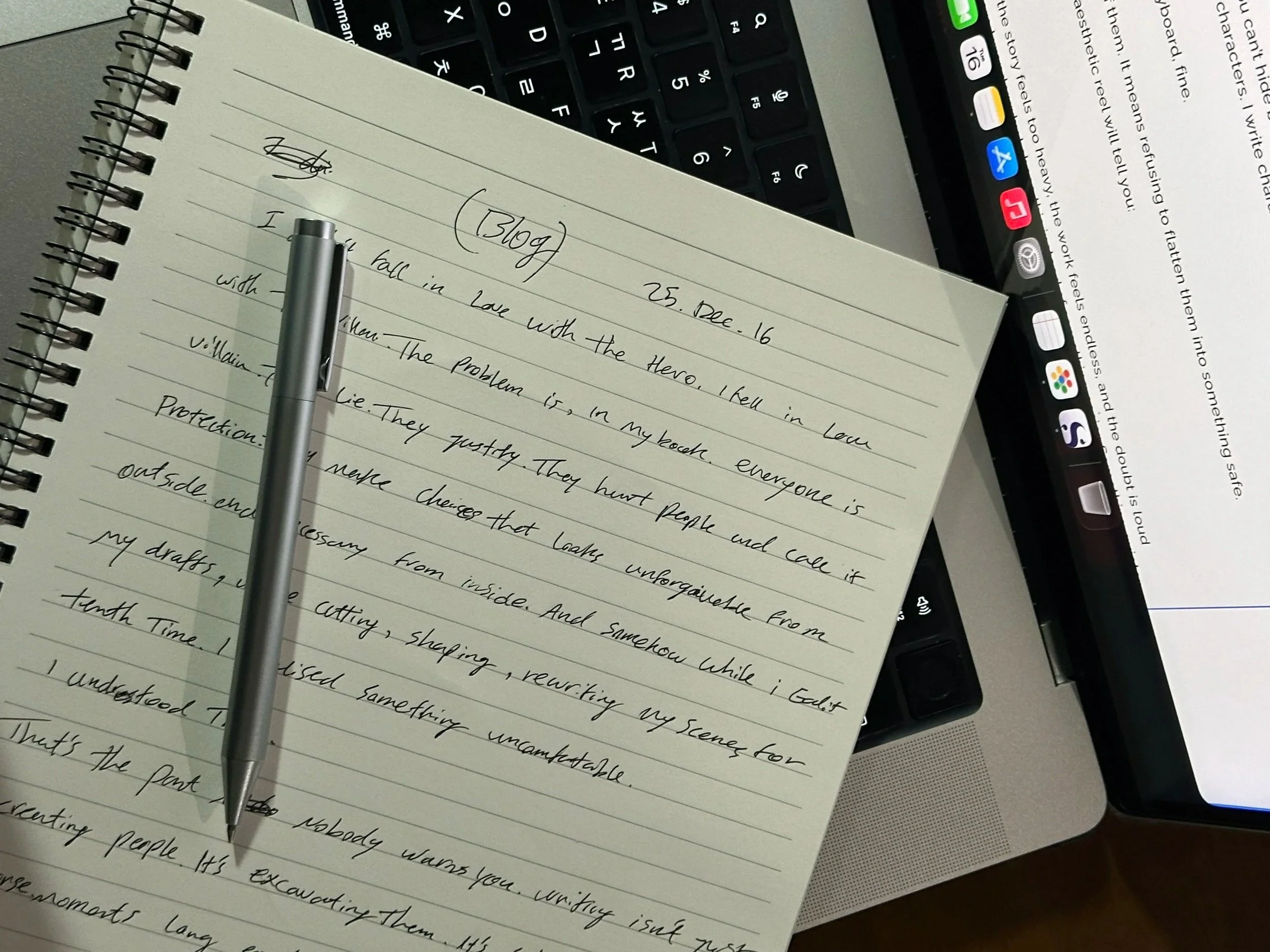
I didn’t fall in love with the hero.
I fell in love with the villain.
The problem is, in my book, everyone is a villain.
They lie. They justify. They hurt people and call it protection. They make choices that look unforgivable from the outside and necessary from the inside. And somehow, while editing, while cutting and reshaping and rewriting scenes for the tenth time, I realized something uncomfortable:
I understood them.
That’s the part nobody warns you about. Writing isn’t just inventing people. It’s excavating them. It’s sitting with their worst moments long enough that you start defending them. Loving them. Letting them breathe.
Editing makes it worse. Editing strips away the excuses. You can’t hide behind vibes anymore. Every sentence has to earn its place. Every action has to make sense. I don’t write clean characters. I write characters who survive. Who adapt. Who justify. Who cross lines and then dare you to understand why.
If that makes me a suspicious person to trust with a keyboard, fine.
I’ll take that.
Because loving the villain doesn’t mean approving of them. It means refusing to flatten them into something safe.
And safe stories are boring. But Here’s the truth no aesthetic reel will tell you:
Writing a book is exhausting.
Editing it is worse.
There are days I feel hollowed out. Days where the story feels too heavy, the work feels endless, and the doubt is loud enough to drown out everything else. Days where I wonder why I chose this instead of something easier. Something quieter. Something that doesn’t demand so much blood.
I don’t always feel inspired.
I don’t always feel confident.
Sometimes I feel helpless. Sometimes I feel stupid. Sometimes I feel like I’m dragging myself forward by the collar. And I do it anyway.
Not because it’s magical. Not because I’m special. But because quitting doesn’t actually make it stop hurting. It just makes the pain pointless.
This is the part where motivation usually shows up wrapped in soft words. I don’t believe in that version. Writing isn’t about waiting to feel ready. It’s about showing up tired. Showing up angry. Showing up unsure and doing the work badly until it’s less bad, then good, then real.
You don’t need discipline that looks pretty.
You need discipline that survives resentment.
If you’re exhausted, you’re not failing. You’re working.
If you’re scared, you’re not weak. You’re invested.
If you’re still here, still writing, still editing, still pushing words into place when you’d rather disappear, then you’re already doing the thing.
This is tough love, not encouragement:
No one is coming to save the story for you.
But you don’t need saving. You need persistence. And persistence is quiet. Ugly. Relentless.
Just like the best villains.
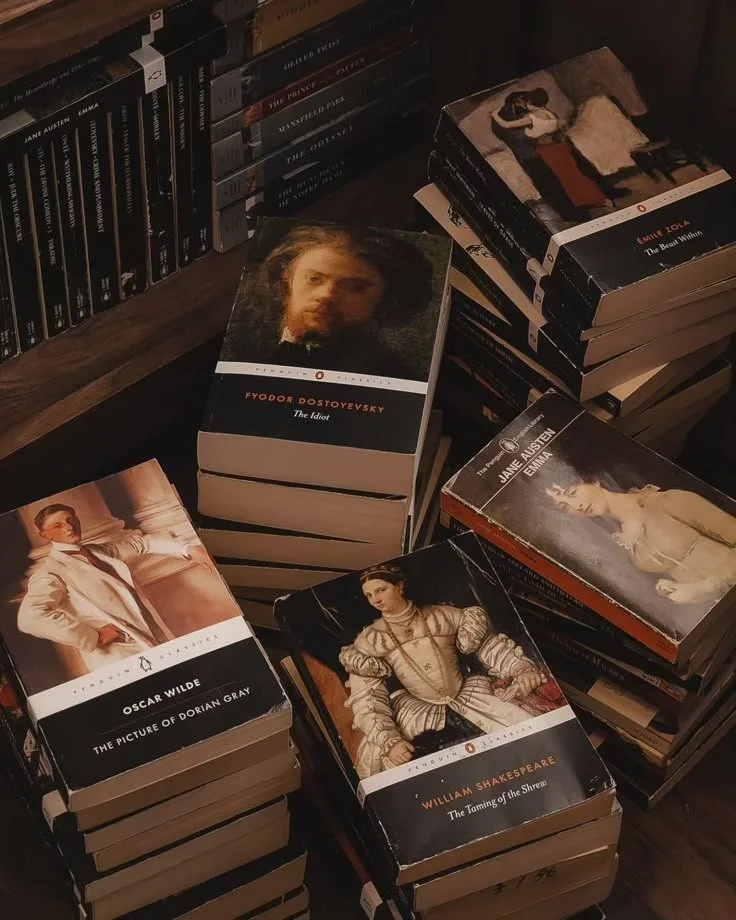
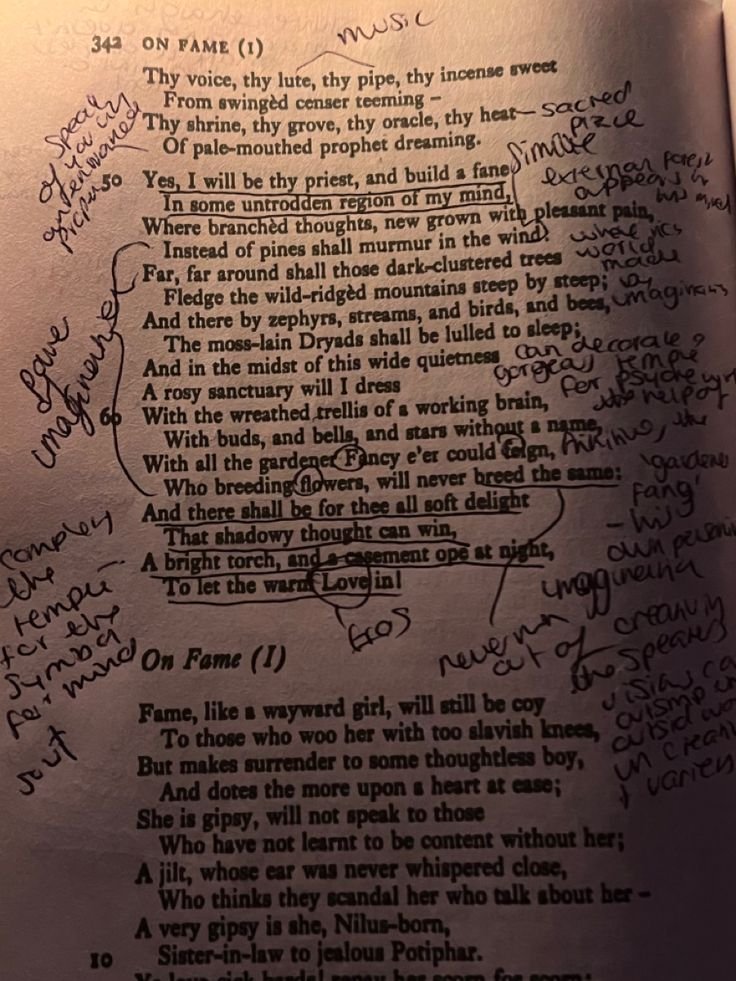
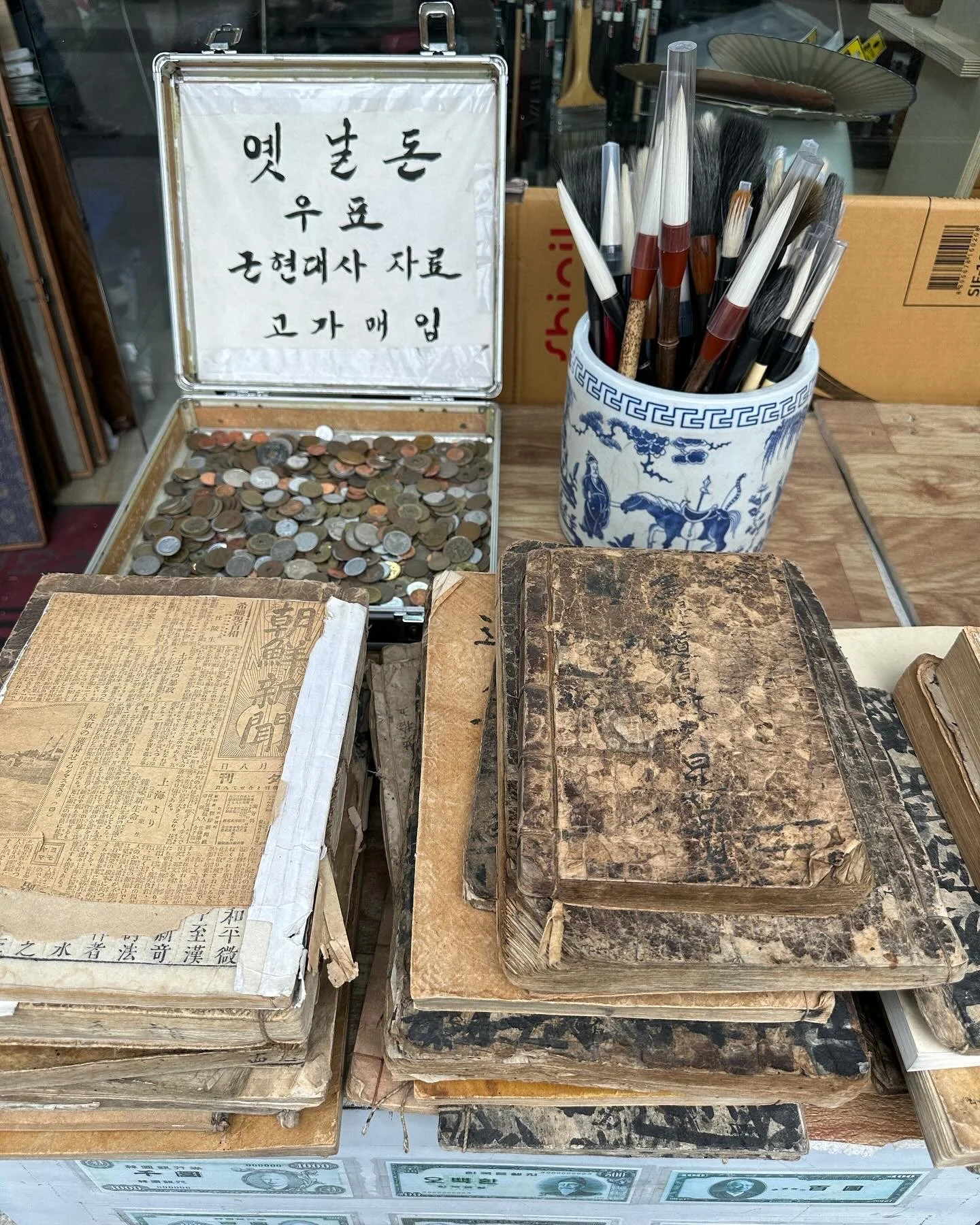
When writing feels unbearable, I don’t read productivity books. I don’t read advice. I read writers who remind me that darkness, obsession, and moral rot have always been part of literature.
Especially the Victorians. They were unwell in the most productive way.
Here are a few that stay with me:
– Jane Eyre by Charlotte Brontë
Not a romance. A survival story disguised as one. Power, repression, desire, and the cost of self-respect. Jane is quiet, but she is not soft.
– Wuthering Heights by Emily Brontë
Pure obsession. No heroes. Just damage passed hand to hand like a curse. If you write morally gray characters, this book is your ancestor.
– The Picture of Dorian Gray by Oscar Wilde
Vanity, decay, and the lie of eternal beauty. Wilde understood that corruption doesn’t always look ugly at first. Sometimes it’s charming. Sometimes it’s persuasive.
– Dracula by Bram Stoker
Control, fear, desire, and invasion. Read it not as a monster story, but as a study of power and obsession. It’s colder and smarter than people expect.
– Frankenstein by Mary Shelley ( this one is my fav)
A book about responsibility and abandonment, not creation. Everyone talks about the monster. The real horror is the creator.
These books don’t reassure you. They don’t coddle the reader. They trust you to sit with discomfort. That’s what I aim for when I write.
If you’re writing and it feels hard. If you’re editing and you hate everything you wrote last month,
congratulations. That means your taste is improving.
If you love characters you shouldn’t, question them instead of apologizing.
And if you’re exhausted but still opening the document, still shaping sentences, still refusing to let the story die quietly, then you already understand something important:
This isn’t about motivation.
It’s about endurance.
Stories aren’t written by the most inspired people.
They’re written by the ones who stay.
And staying is its own kind of defiance.
South-Korea