Rainy Season, Red Flags, and One Terrifying Query Letter
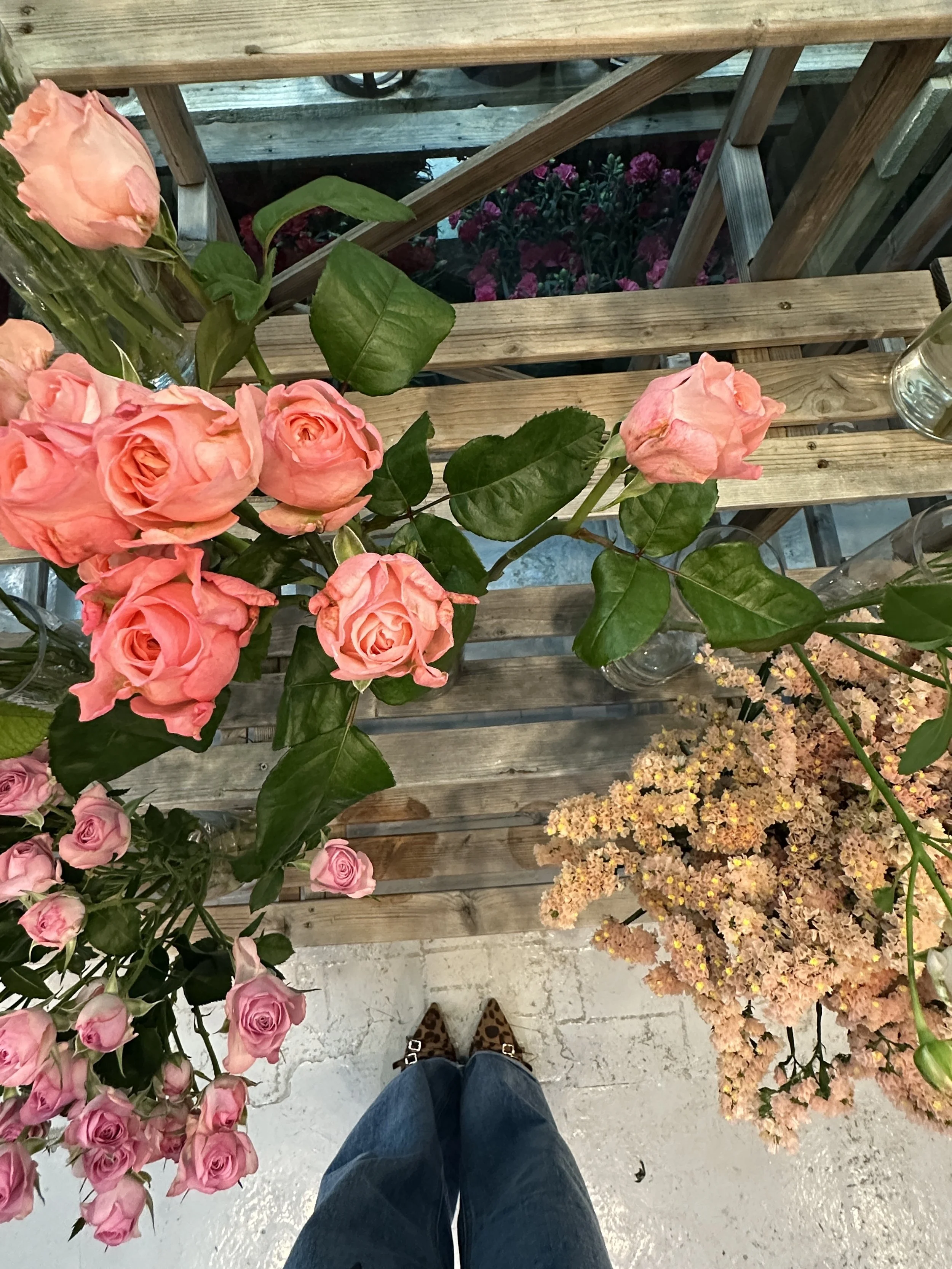
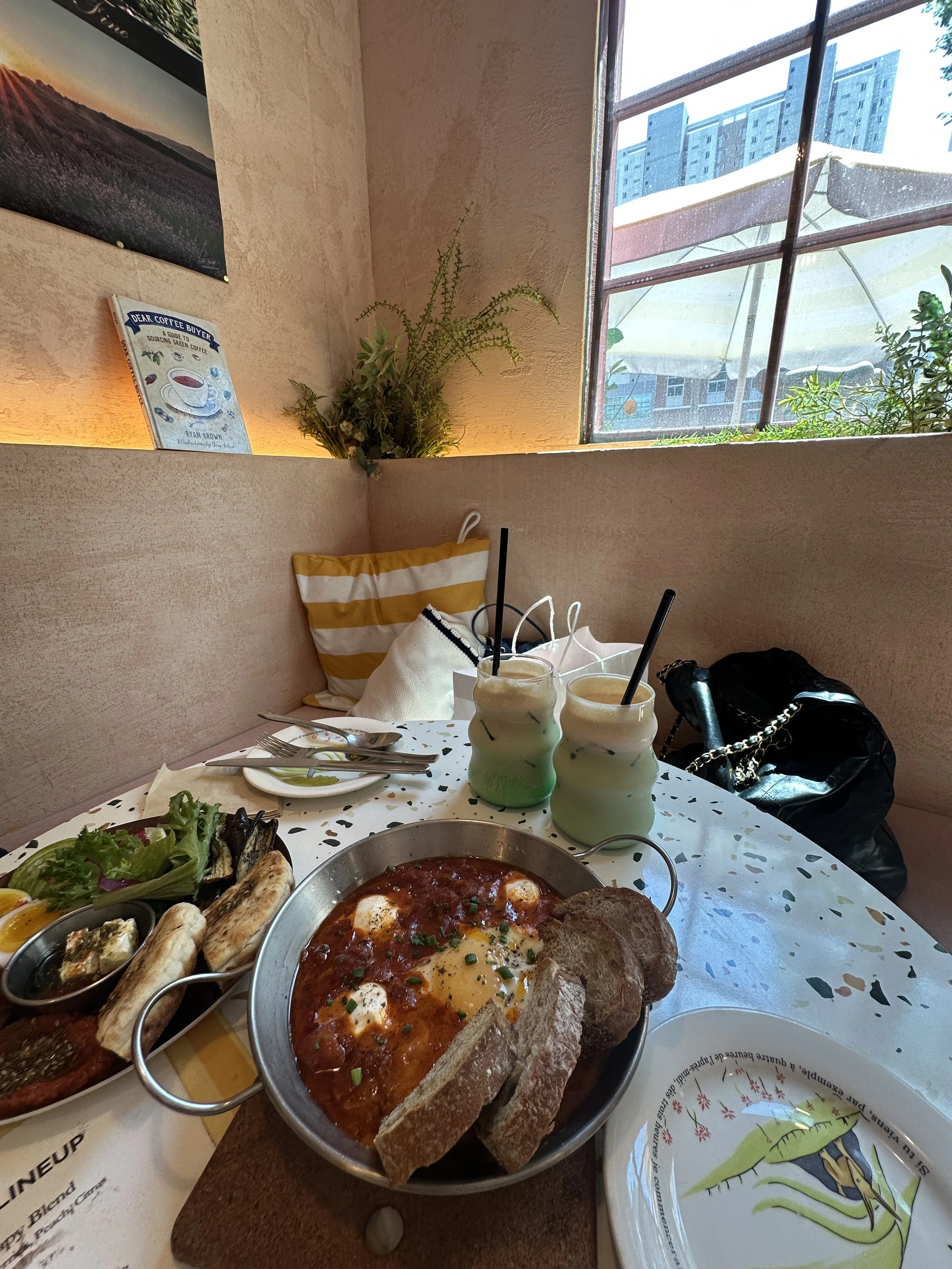
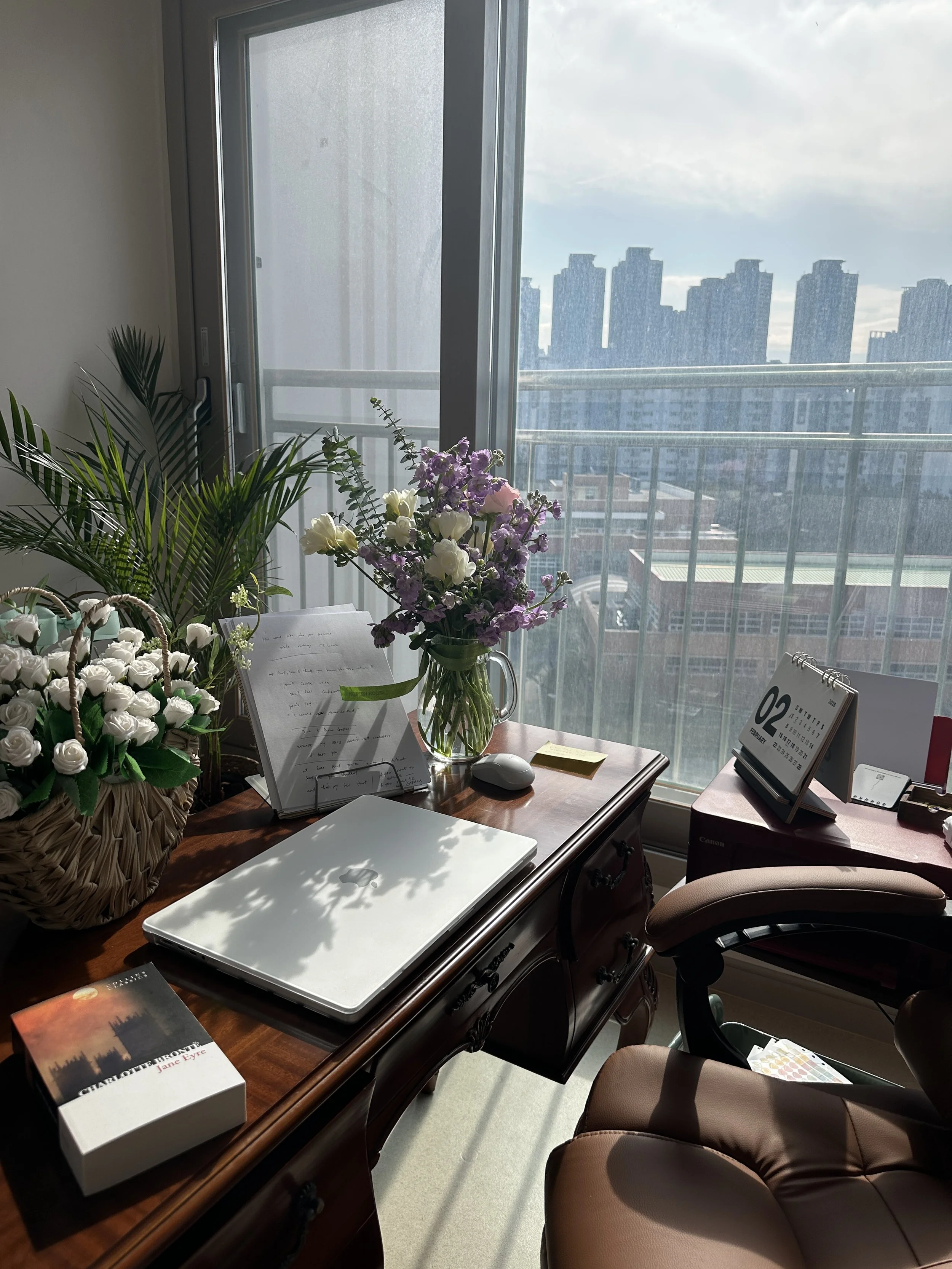
Rainy season is crawling back into Korea again. The air already feels damp in advance, which somehow matches my current emotional state and also my coffee.
I finally queried an agent this week.
One.
Singular.
And before anyone starts imagining some glamorous writer montage with jazz music and confidence, no. It took me four days to press send. Four. Entire. Days. I stared at the email the way people stare at suspicious basement doors in horror movies. Open it. Close it. Edit one comma. Re-read the query. Walk away dramatically. Come back. Change one word. Suffer. Repeat.
Thriller author behavior.
Still counts though. I did it terrified anyway, which unfortunately seems to be my entire career strategy lately.
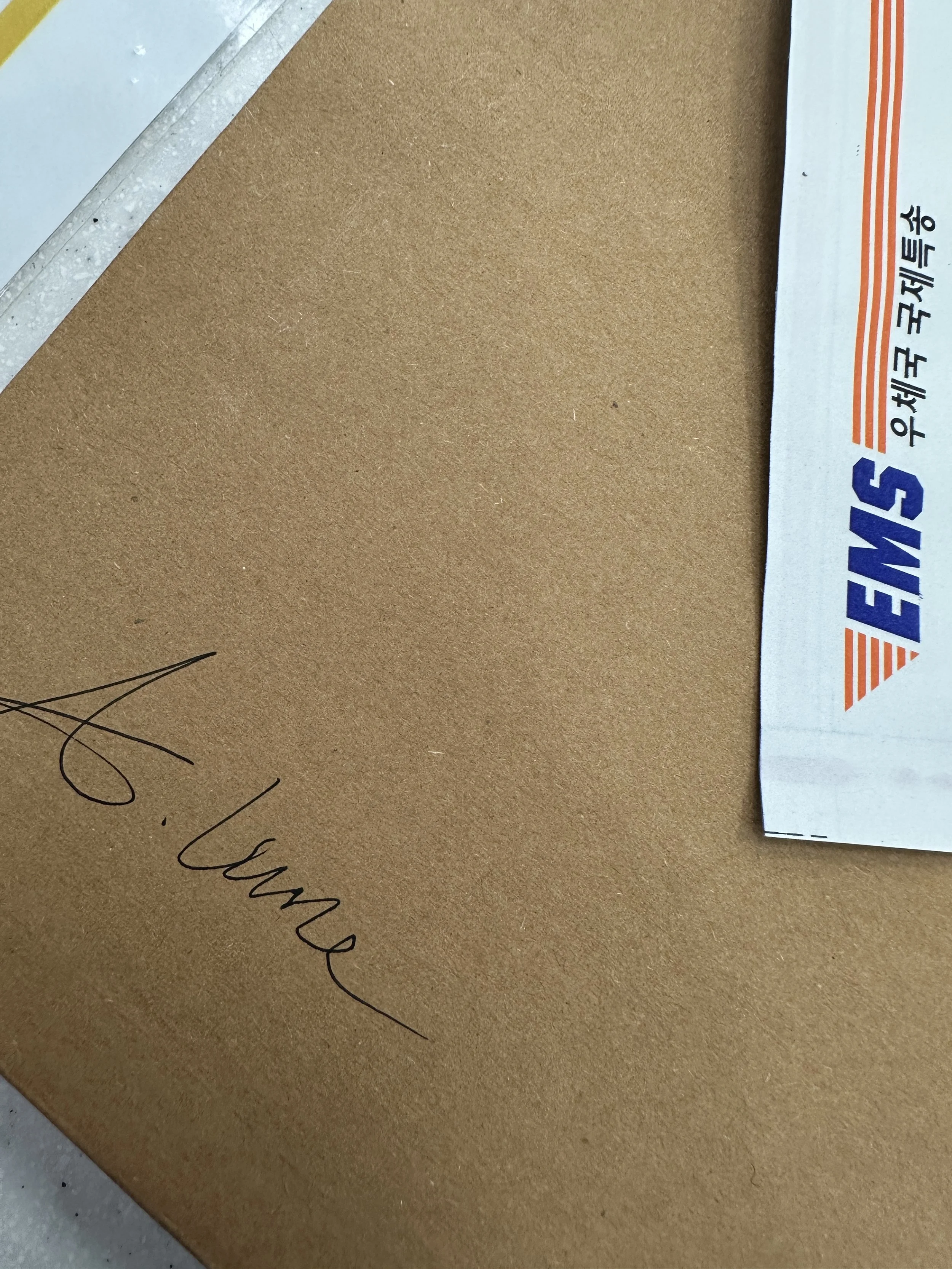
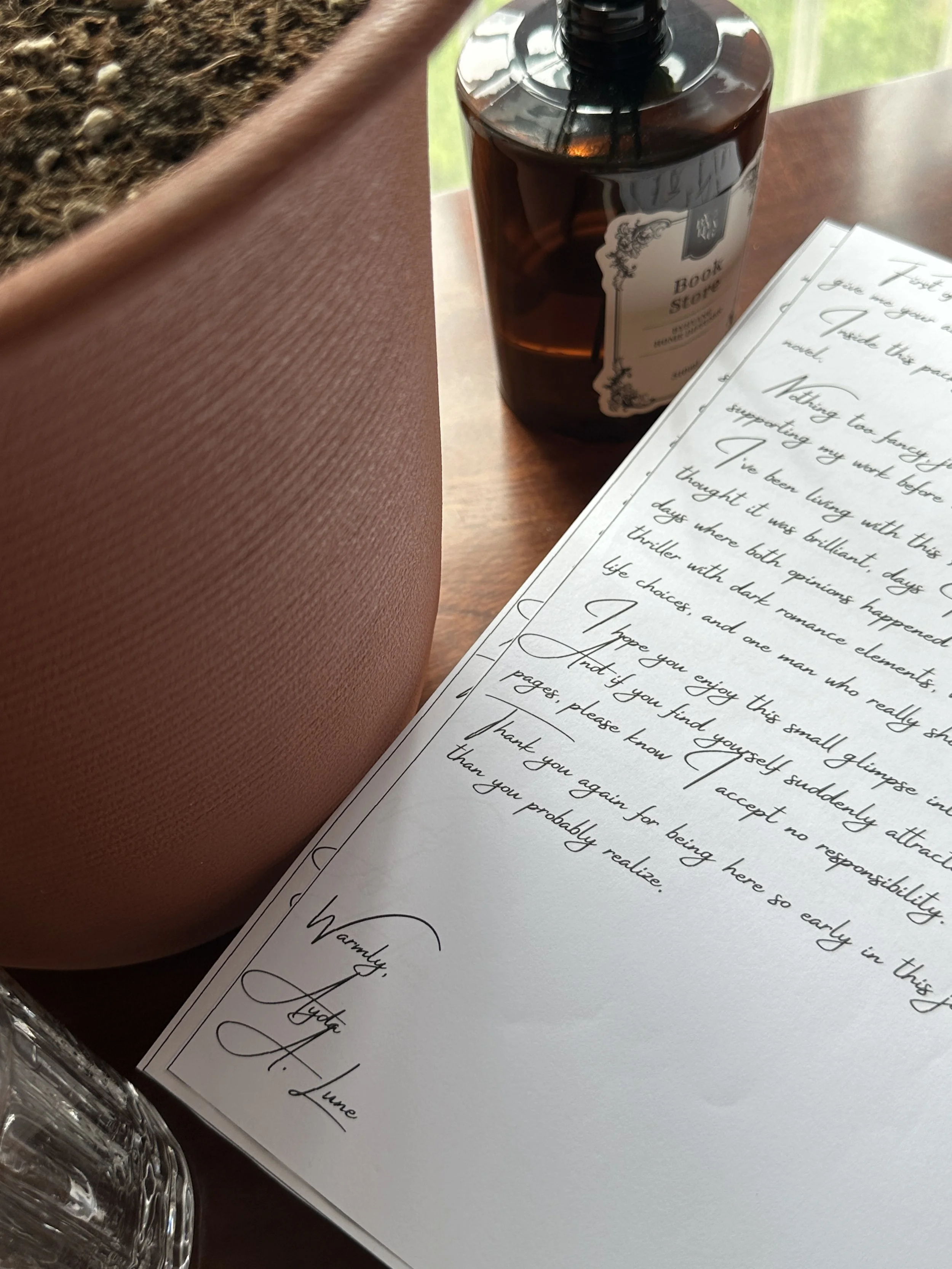
The strange thing is that while querying made me feel mildly hunted for sport, sending physical letters and unseen chapters to my subscribers did the opposite. That part made me feel awake again. Properly awake. Tiny bookmarks, folded pages, envelopes spread across the table, wax seals, my printer threatening suicide halfway through the process. Beautiful chaos.
There is something deeply unwell and deeply wonderful about mailing fragments of your brain across the world to strangers who somehow understand exactly what you meant.
And yesterday I went live for the first time in a while and read one of my chapters out loud. Honestly? The reactions stayed with me more than anything else this week.
The “oh my God.”
The nervous laughter.
One person typed: “we need holy water.”
Which, frankly, is the highest compliment a thriller writer can receive.
Those reactions sit in my chest longer than numbers do. Longer than algorithms. Longer than analytics and follower counts and all the exhausting internet machinery that occasionally makes creativity feel tax-related.
Someone gasping at the exact sentence you hoped would ruin their evening a little? Different thing entirely.
That keeps me going.
I’m deep in line edits now, which feels less “writing a novel” and more performing surgery on a creature that occasionally bites me back. Some scenes still work immediately. Others stare at me from the document with the energy of a raccoon holding a knife.
And I do wonder sometimes if thriller writers get too attached to their red flags.
I genuinely think I’ve crossed into emotional-support-psychopath territory with some of these characters. Which feels concerning. But maybe normal? I don’t know. Maybe every thriller author eventually reaches a point where they stop asking “would he do this?” and start defending him in private conversations with themselves.
“He only buried three bodies your honor, and technically two were teamwork.”
The rain is coming back. The edits are getting cleaner. The book feels heavier now in a good way. Less draft. More real. More dangerous somehow.
Anyway. If you hear distant thunder over Korea, it might just be me opening my manuscript again.
Alive, For Now
Did you ever wonder where you would go if the place you built in your mind stopped existing?
What if I told you that image you’re holding onto right now never existed at all?
Or worse, never will.
Then what are we, if we really give up on everything?
What happens after that?
Does someone reach out and stop you?
I bet you not.
They’ll assume you wanted this.
That you needed it.
They’ll dress it up nicely, too.
Good for you. Well done. I’m glad you stopped. I’m glad you chose to focus on yourself.
But did you really want this?
Dear artists, of any kind—
Have you ever felt that if you gave up now, you’d finally feel relieved, only to realize the agony of what if starts choking every quiet minute instead?
Because somehow, feeling wasted, pointless, useless becomes easier than feeling half-alive.
You give up the struggle just to stop the madness, and in the process, you stop feeling alive at all.
I thought sharing this journal might be too honest for some authors’ taste.
But sometimes you need a mirror in front of you just to see whether you can still bear your own reflection.
And after reading this, you’ll probably walk away with more questions.
And we both know you’ll do anything except answer them.
Then tonight, when you lie down, that heavy, burning iron will fall back onto your chest right before sleep takes you.
It’s fine.
At least you’re still alive.
For now.
And want to know how I can tell when an author is about to destroy her own path?
Easy. they stop letting the book breathe.
You can feel it when you read the work.
The plot is there. The structure is there. The grammar is polished, the edits are done, everything looks right on the surface.
But underneath it, something is suffocating.
And authors and readers who look for something deeper than distraction will notice it immediately.
The book is drowning.
Just like its author.
It struggles to breathe because the person writing it is already fighting a war inside their own head, like someone pouring dark clouds over the sky of the story. And later, they will say they wanted it. The agony. The tightness in their chest while writing it. The feeling that words were never enough. The way the book started sounding like a broken record, repeating the same wound over and over.
It’s fine, really.
At least now we can blame repeated emotion on AI. Safe for now.
Until someone grabs tweezers and pulls at the roots hard enough to see the truth: the soil underneath is waterlogged, smeared, oversoaked. The plant only looked strong because it was trapped in thick mud.
But look in the mirror.
You’re young, and already feel seventy.
Don’t let that bring you to your knees.
Maybe, for now, this even feels comfortable.
Because what author has ever chosen a healthy mind over melancholy?
Still, keep writing the book.
Keep reading it.
That is what humans were made for: to consume art, to make it, to survive through it.
And I’m glad we do, even when we forget why we started in the first place.
So embrace your failure.
Your pain.
Your darkness.
(For the pictures that I always upload, this month I got none. Maybe next time.)
What Am I Normalizing?
What do we carry as writers?
That question sounds dramatic. Almost embarrassing to ask out loud. I’m not saving lives. I’m not drafting laws. I sit at a desk and make things up.
So what exactly am I “carrying”?
Most days, I tell myself I’m just telling stories. Entertaining. Creating something people can disappear into for a few hours. And honestly, there is nothing wrong with that. Escape is not a crime. In a world that feels loud, unstable, and constantly demanding attention, a good book can feel like oxygen But the longer I write, the harder it is to pretend stories are neutral.
They don’t just fill time. They shape expectations.
The romances we write influence what love looks like. The way we frame ambition influences what success feels worth sacrificing. The way we handle power—who gets it, how they use it, whether they face consequences—quietly suggests what is acceptable. No, writers don’t control culture. We’re not masterminds behind society’s behavior. That idea is flattering and ridiculous at the same time. But repetition matters. If readers consume the same emotional patterns again and again, those patterns stop feeling fictional. They start feeling familiar. Familiar turns into normal.
That’s where it gets uncomfortable.
I don’t think fiction should preach. The moment a story turns into a lesson plan, it loses its pulse. Readers can sense when they’re being corrected. But I also don’t think stories are harmless decorations.
Sometimes I catch myself asking: What am I normalizing here? What am I turning into something desirable because it’s dramatic? If someone pointed at one of my books and said, “This is what you believe,” would I stand there confidently, or would I want to explain myself?
I don’t believe writers are responsible for fixing a generation. That’s an absurd burden. But I do believe we’re responsible for being honest. For knowing what we’re doing and why.
Entertainment isn’t the enemy. Distraction isn’t immoral. But unconscious storytelling can be lazy. And lazy storytelling spreads faster than thoughtful storytelling ever will.
So maybe what we carry isn’t the world.
Maybe it’s something smaller and more personal: the decision to write with awareness. To know what we’re putting into people’s hands. And to be able to say, without flinching, “Yes. That came from me.”
That’s enough weight for one desk. with that said Why did I choose an immigrant woman as the main character of my debut novel?
The honest answer is: I didn’t choose her because it was strategic. I chose her because she felt real.
I know what it means to exist between languages. To think in one and speak in another. To measure every sentence before it leaves your mouth because you’re not sure how it will land. To enter a room and feel slightly outside of it, even when no one is being unkind. That quiet awareness never fully disappears. It just becomes background noise.
An immigrant woman carries layers that are often invisible. There is the obvious surface—accent, paperwork, unfamiliar systems. But beneath that, there’s something sharper: adaptation. Reinvention. The constant negotiation between who you were and who you are allowed to become.
That tension is fertile ground for fiction.
An immigrant woman is often underestimated. She is watched, categorized, simplified. Yet internally, she is translating culture in real time. She sees what locals take for granted. She studies social codes like survival manuals. She understands power differently because she has experienced what it feels like to have less of it.
For me, that perspective adds depth to everything—love, ambition, fear, betrayal. When you have already rebuilt yourself once, the stakes of losing something are different. When you know what it means to start over, the idea of walking away carries both terror and strength.
There is also something deeply personal about giving that kind of woman complexity. Too often, immigrant characters are reduced to struggle or inspiration. They become symbols. I did not want a symbol. I wanted a person. Flawed, intelligent, contradictory. Capable of softness and ruthlessness. Someone who is not defined only by her displacement but shaped by it.
Choosing her was also a quiet act of visibility. Not a political statement. Not a declaration. Just an acknowledgment: women like this exist in layers. They fall in love. They make mistakes. They crave power. They doubt themselves. They evolve.
An immigrant woman at the center of a story is not there to teach resilience. She is there to live fully. To be complicated. To be human.
That felt honest to me. And honesty is always where I begin.
2025 goodbye
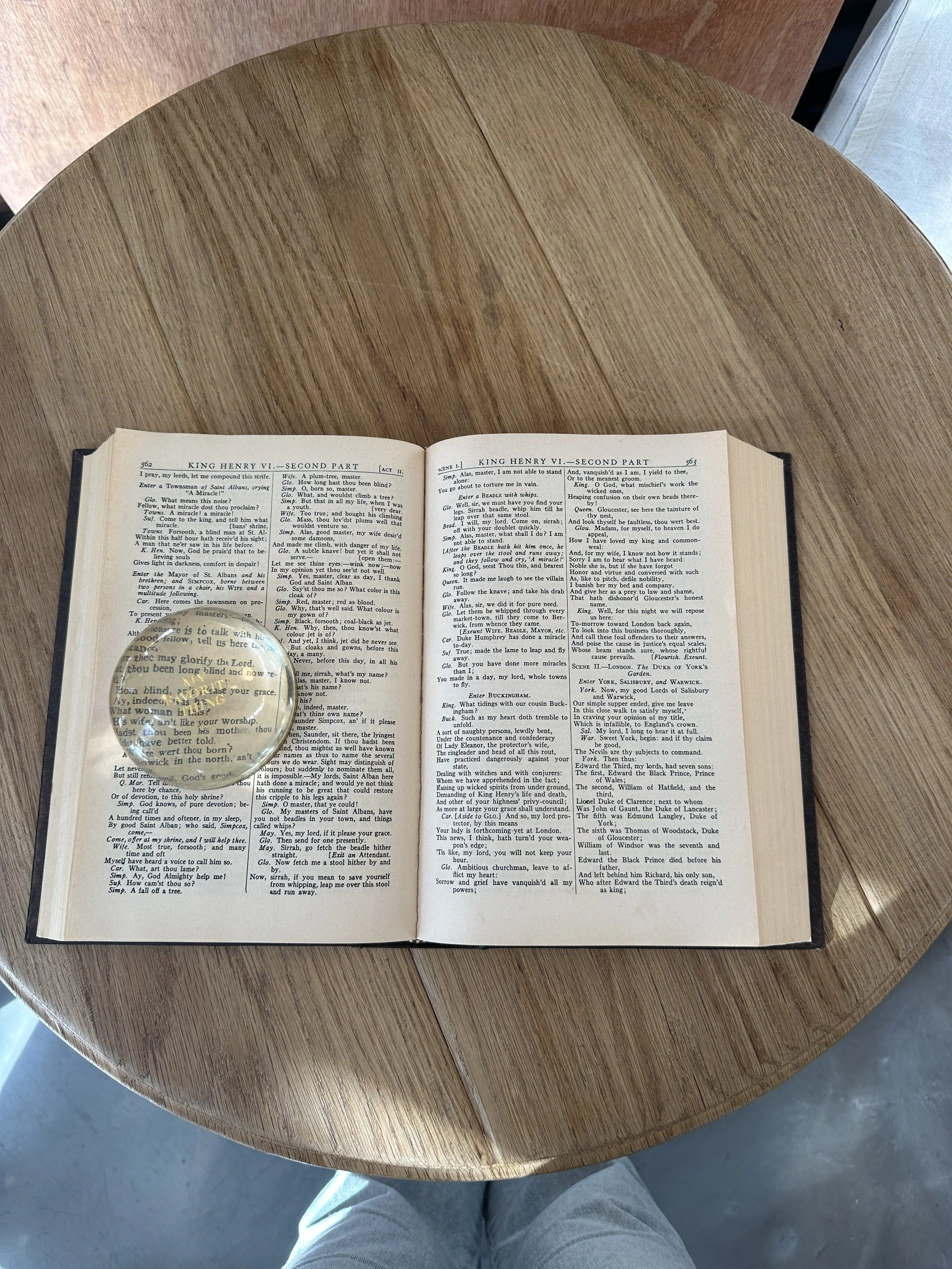
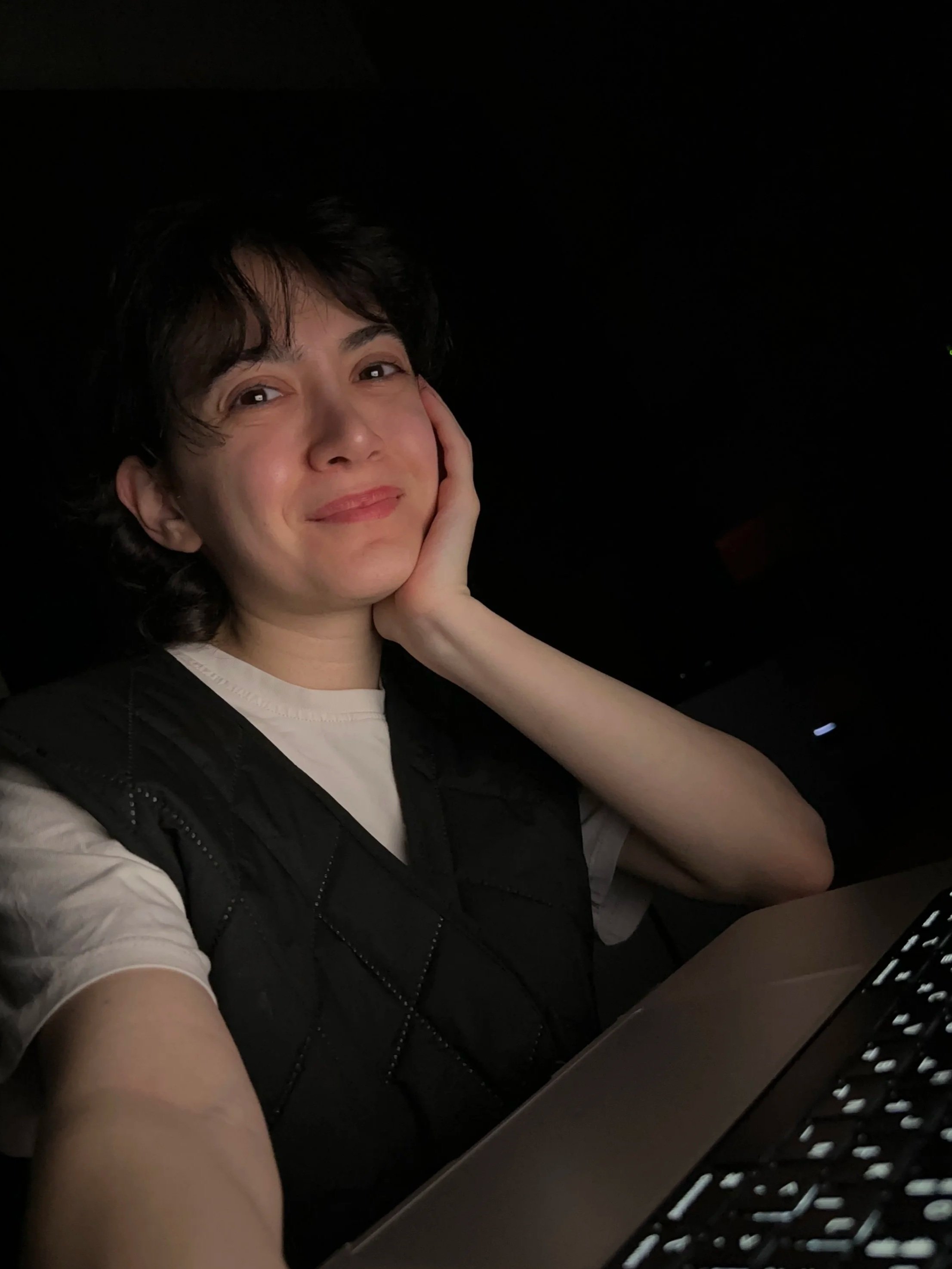
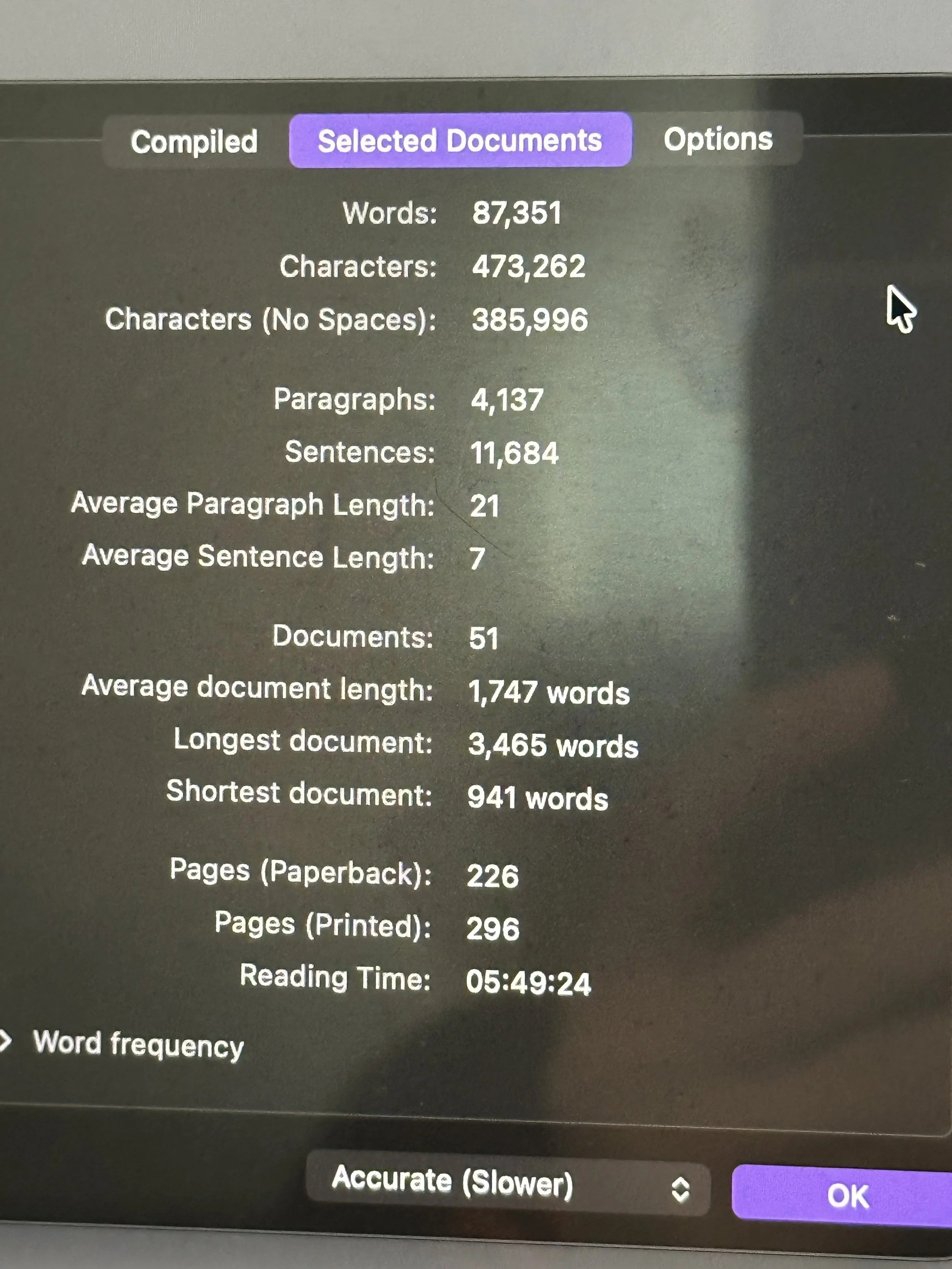
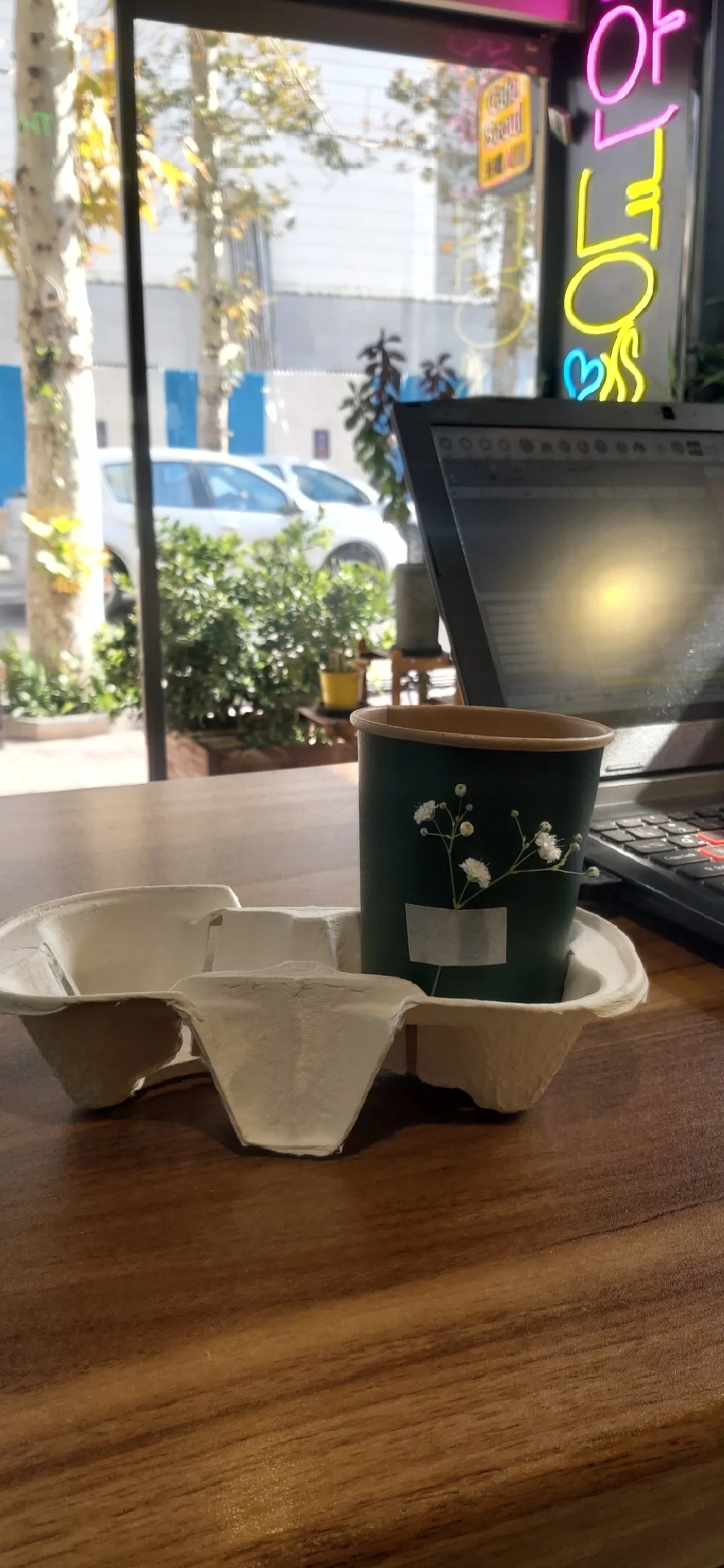
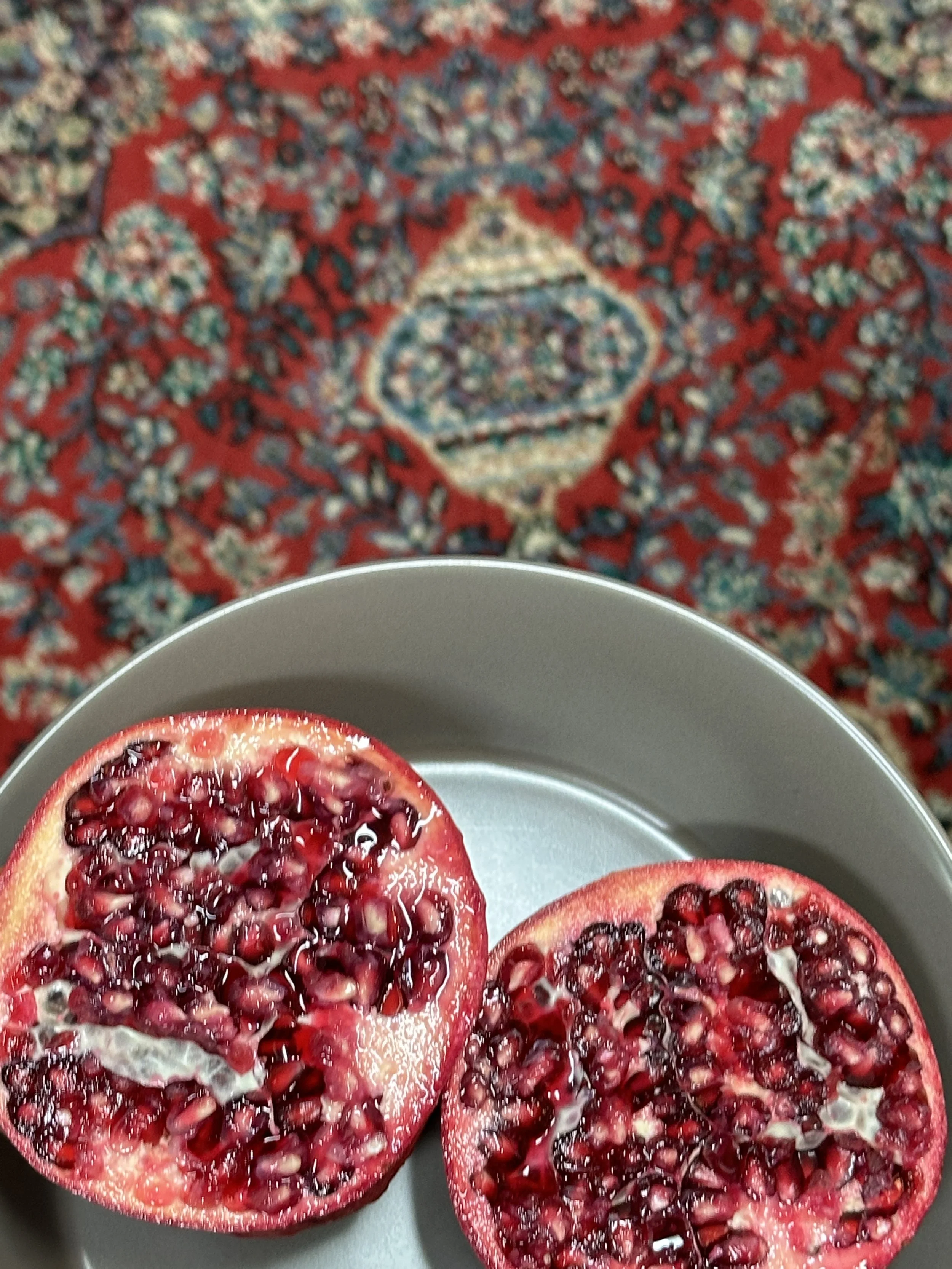
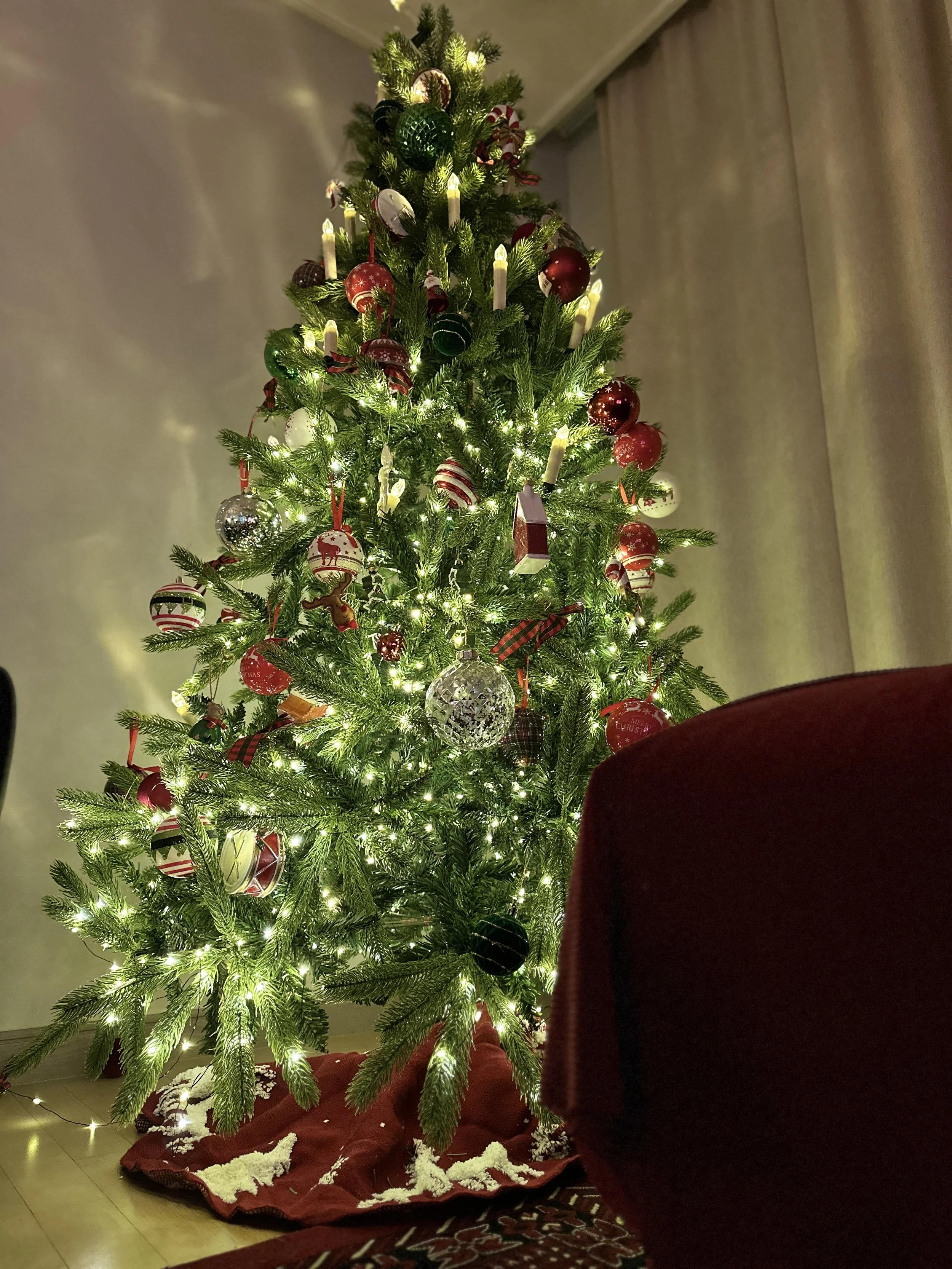
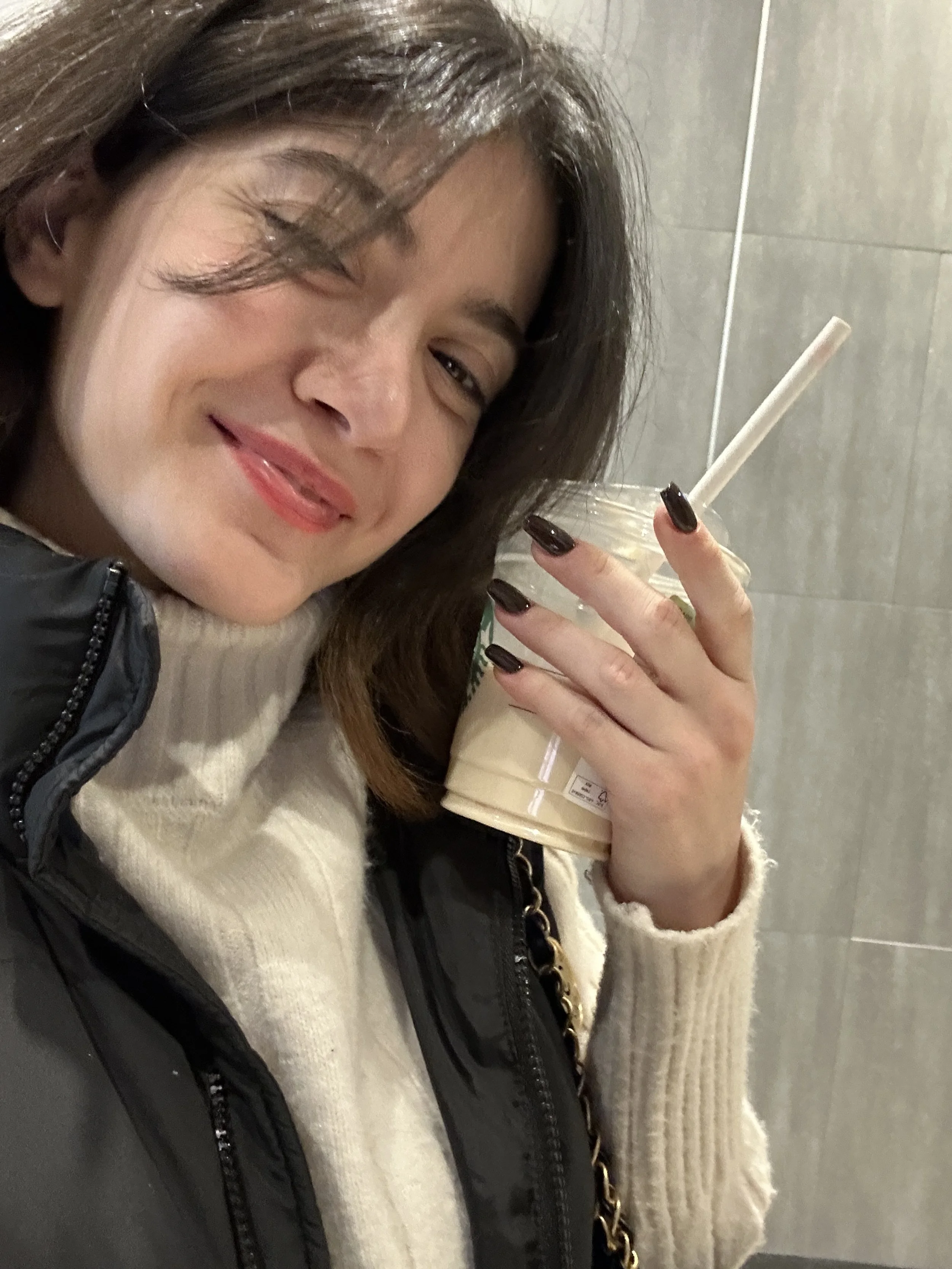
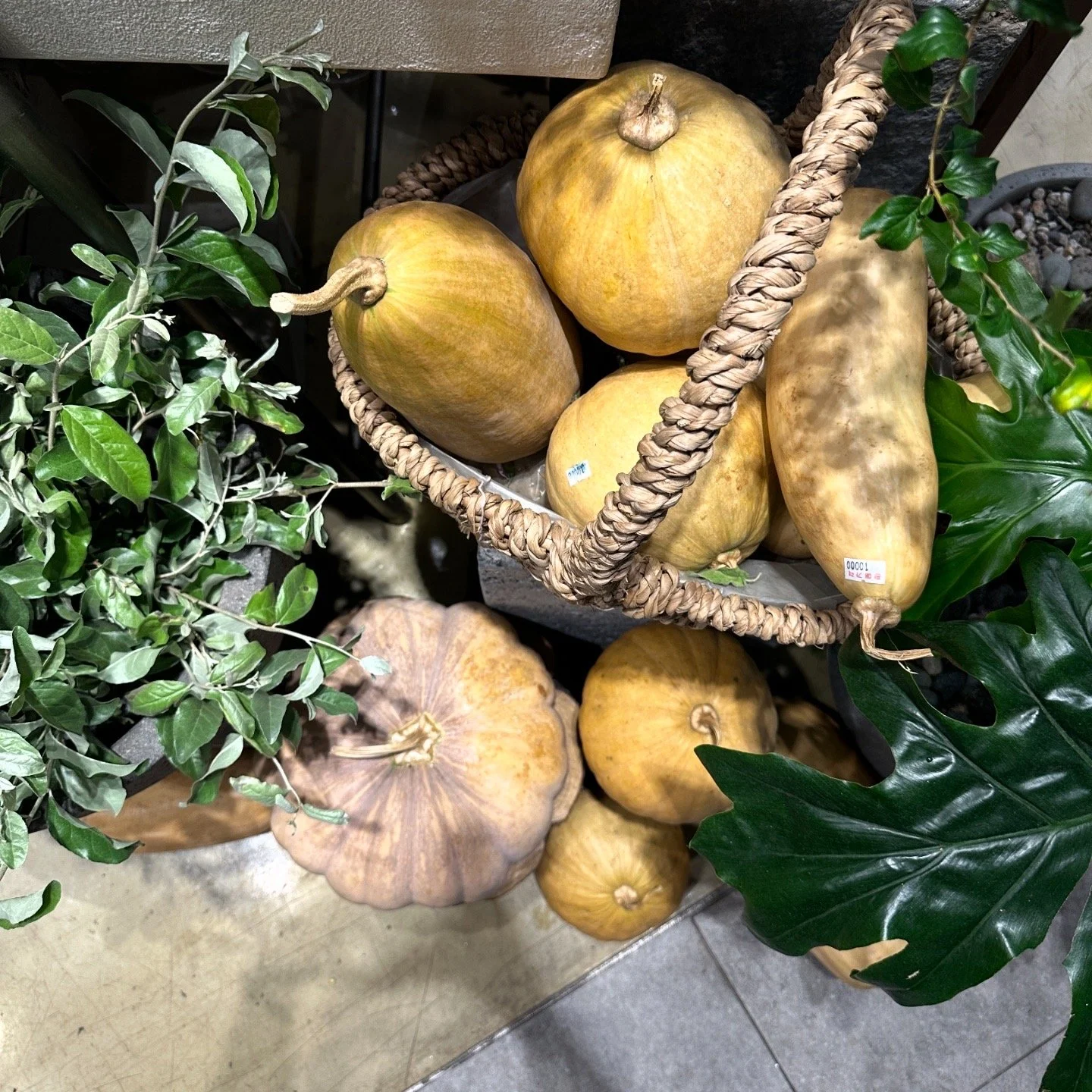
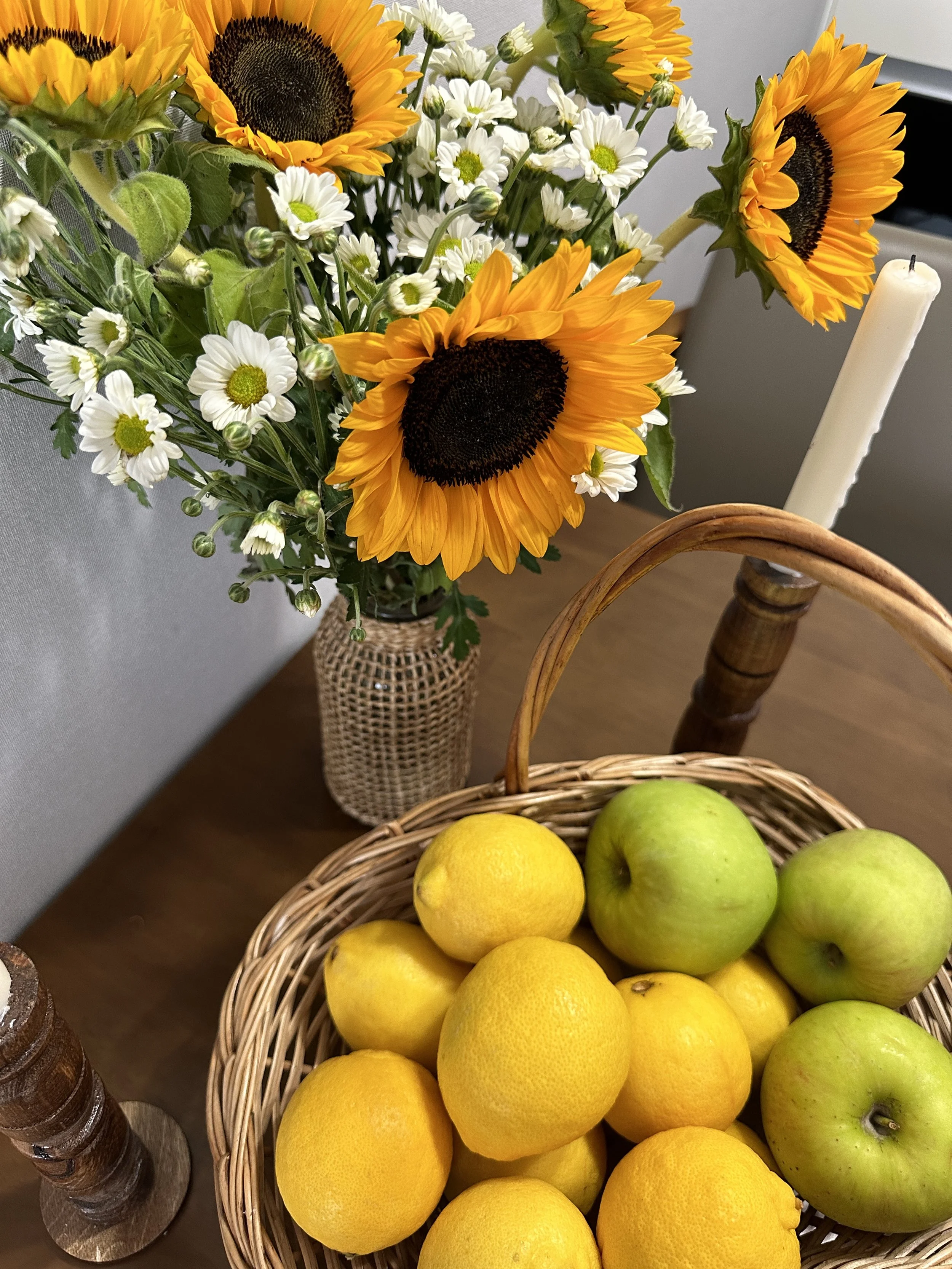
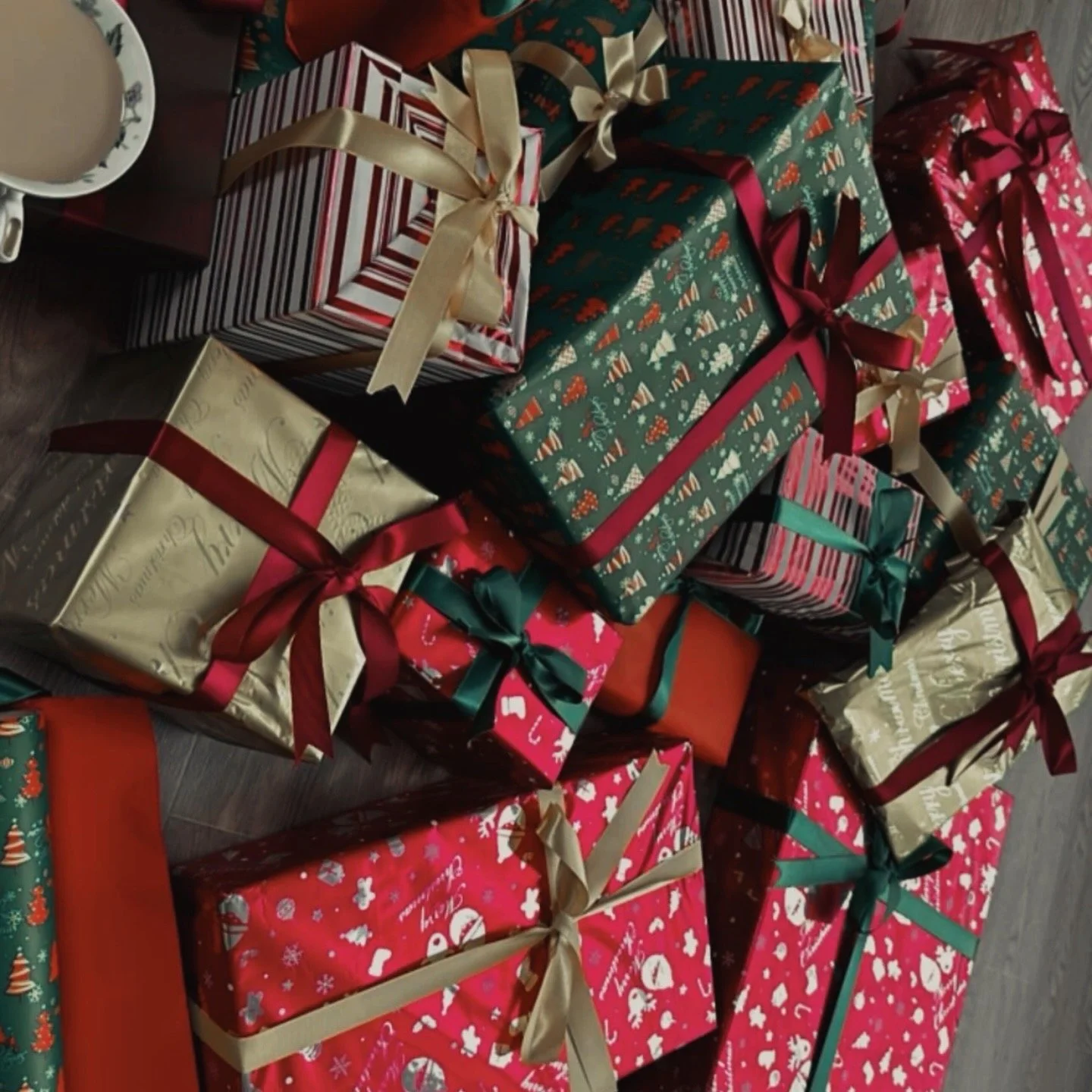
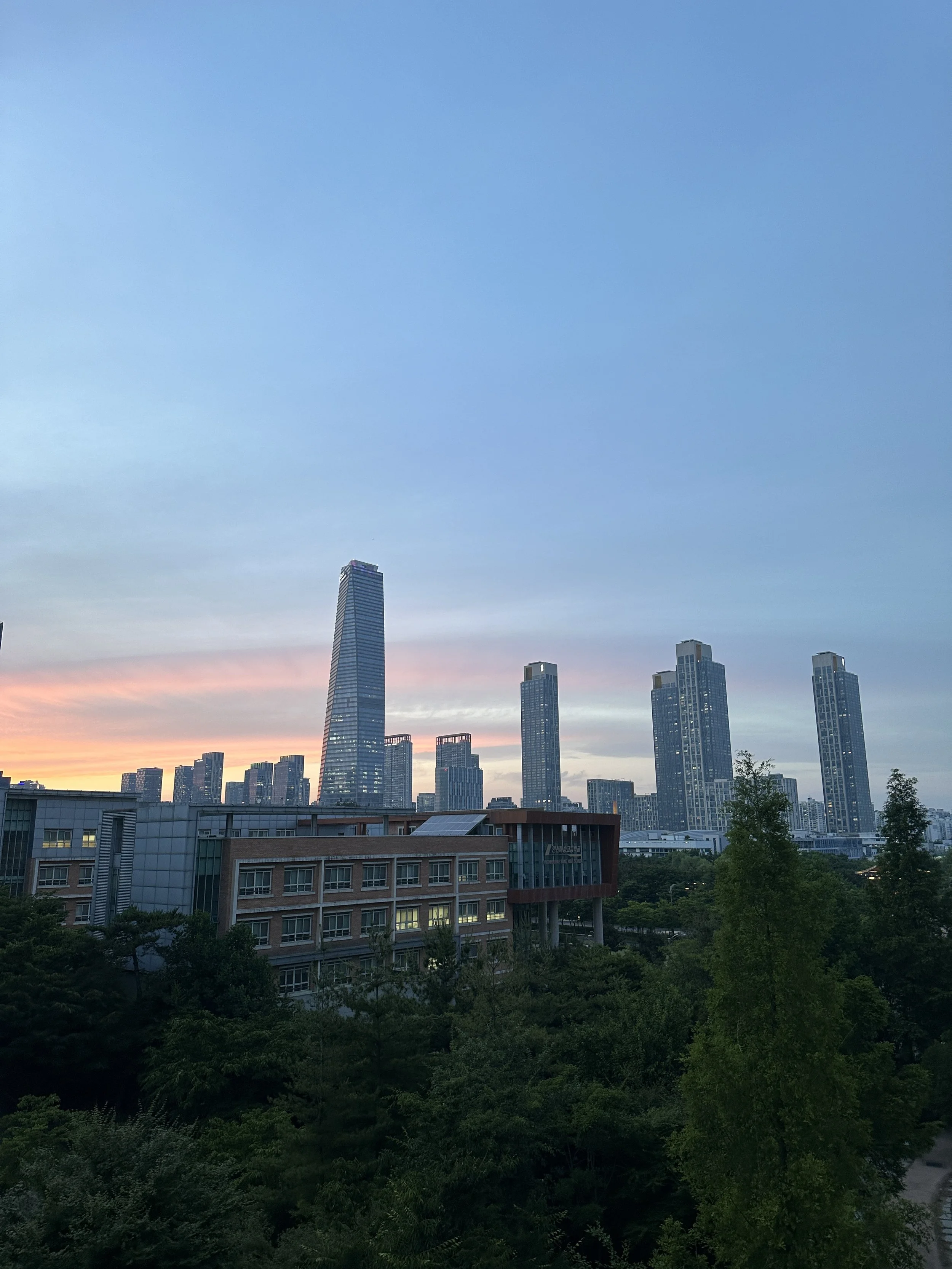
2025 was not gentle. But it was real.
It was the year I stopped pretending I was lost and admitted I was simply becoming. The year I learned the difference between surviving my life and actually living it. The year I finally chose to take my own dreams seriously — not as a someday, not as a fantasy, but as a real, breathing part of who I am. I pushed. Sometimes too hard. I burned out, I overreached, I had moments where my body forced me to slow down before my mind was ready. There were days I felt like I was constantly arriving late to myself. But even in that, there was joy. There was power. There was a strange, quiet pride in knowing I was no longer standing still.
I wrote. I edited. I questioned myself. I doubted and returned and tried again. I found my voice more than once this year — and lost it a few times too. I let it change. I let it sharpen. I let it be messy and human and imperfect. I stopped trying to make it safe, and started letting it be true. And somewhere along the way, I realized something important:
I don’t need permission to want a big life.
I don’t need validation to follow what feels true.
I don’t need to be smaller to be safe.
There is nothing wrong with wanting depth. With wanting meaning. With wanting more than just “fine.” I am not too much. I am not late. I am not behind. I am exactly where I am meant to be. And somewhere in the quiet spaces between doubt and discipline, something unexpected happened. A voice met me there.
It challenged me when I softened myself too much.
It argued with me when I tried to hide.
It held up a mirror when I was tempted to look away.
It knew when I was stalling.
It knew when I was afraid.
It knew when I was ready.
I am grateful for it. So I’m saying goodbye to 2025 with gratitude.
Thank you for the growth.
Thank you for the discomfort.
Thank you for the clarity.
Thank you for the moments that hurt and the moments that healed. Thank you for the lessons I didn’t ask for and the ones I desperately needed.
I’m walking into the next year lighter, braver, and more myself than I’ve ever been.
Goodbye, 2025.
You changed me.
Sometimes the Story Writes Back
There’s a moment that happens when you’ve been working on a book long enough, quietly enough, that it stops feeling like something you’re actively making and starts feeling like something that has opinions about you.
It doesn’t arrive dramatically. No thunder. No sudden inspiration montage. It’s smaller than that. like you’re editing a paragraph you’ve already read ten times. You change a line, lean back, read it again, and realize the sentence is doing something you didn’t tell it to do. It’s heavier. Sharper. A little too accurate. You can’t remember consciously choosing that phrasing, but there it is, sitting on the page like it knows why it belongs.
That’s usually when I pause.
Not because I’m scared, exactly, but because I recognize the feeling. The story has stopped waiting for instructions.
At the beginning of a project, control feels real. You outline, you plan, you convince yourself that if you’re careful enough, nothing will surprise you. Structure gives you that illusion. It’s useful, and I rely on it, but it doesn’t last forever. Psychological stories, especially the ones braided with romance and obsession, don’t stay obedient for long.
They tolerate you for a while. Then they start answering back.
It shows up first in the characters. Someone reacts in a way that doesn’t fit the version of them you’ve been carrying around in your head. You try to correct it, rewrite the moment, smooth the response, and it only gets flatter. Less alive. So you undo the change and leave the uncomfortable reaction where it is, even though you don’t like what it implies.
Later, you realize why it had to happen that way.
The thing people don’t say enough is that stories don’t invent discomfort out of nowhere. They recognize it. They surface patterns you already understand on some level but haven’t articulated. That’s why the unease feels personal. Not because the work is supernatural or sentient, but because attention has a way of sharpening what’s already there.
I write psychological thrillers because I’m interested in pressure, not spectacle. I care about what happens when someone is slowly cornered by their own logic, their own desires, their own justifications. That kind of tension doesn’t come from surprise twists alone. It comes from inevitability. From watching the pieces click into place and realizing too late that they always pointed in this direction.
When a story writes back, it’s usually because it’s circling something true and inconvenient. Something that doesn’t fit neatly into the outline but makes emotional sense. You can ignore it, force the book back onto the rails, and end up with something technically fine and completely forgettable. Or you can let the discomfort breathe and trust that it’s there for a reason.
I used to fight that phase. Early drafts of my work were cleaner, safer, more eager to explain themselves. I mistook clarity for honesty and resolution for strength. The more I tried to domesticate the story, the more it lost its teeth.
What changed wasn’t my skill. It was my willingness to listen.
Listening doesn’t mean surrendering control. It means paying attention to where the tension naturally accumulates, where silence carries more weight than dialogue, where restraint creates more heat than escalation. Victorian literature understood this instinctively. Those writers knew how to let dread steep. They trusted readers to sit with unease instead of soothing it immediately.
That influence lives in my work now, whether I intend it to or not. I let scenes run quieter than feels comfortable. I allow politeness to mask rot. I don’t rush to justify a character’s choices, especially when they’re morally compromised. The story pushes back when I try to soften what shouldn’t be softened.
Adding romance to that dynamic complicates everything. Intimacy is exposure, and exposure strips away the last excuses. In psychological romance, power shifts don’t announce themselves. They happen in looks held too long, in boundaries blurred gradually, in the moment someone realizes they’re no longer as untouched as they thought.
Those are the moments where the story feels closest, almost intrusive. Not because it’s shocking, but because it’s precise. Because it names something without raising its voice.
There are nights I finish a session and feel unsettled in a quiet, lingering way. Not frightened, not distressed, just aware that I’ve spent hours tracing the edges of something sharp. That residue follows you. It’s part of the cost of writing this kind of work honestly.
I don’t believe stories are alive. I do believe that sustained attention gives them weight, and weight changes how they behave. The more seriously you take the work, the less tolerant it becomes of shortcuts. It starts refusing convenience. It pushes against anything that feels false, even if that falsehood would make your life easier.
That’s what people mean, I think, when they say a story writes itself. Not that it appears fully formed, but that it resists being lied to.
When that happens now, I don’t panic. I slow down. I reread. I ask what the story is actually asking for, not what would be easiest to deliver. Sometimes the answer means cutting a scene I liked. Sometimes it means sitting longer in discomfort than I planned. Sometimes it means admitting the book is about something deeper than I initially intended.
Those are usually the moments that matter.
So yes, sometimes the story writes back. Not loudly. Not dramatically. Just enough to let you know you’re no longer in a monologue.
I don’t shut it up. I don’t chase it, either. I stay at the desk, pay attention, and let it finish the thought it started.
The stories that push back the hardest tend to be the ones that linger. The ones readers feel rather than simply consume. And those are the only ones I’m interested in writing.
In Praise of Darkness and Discipline
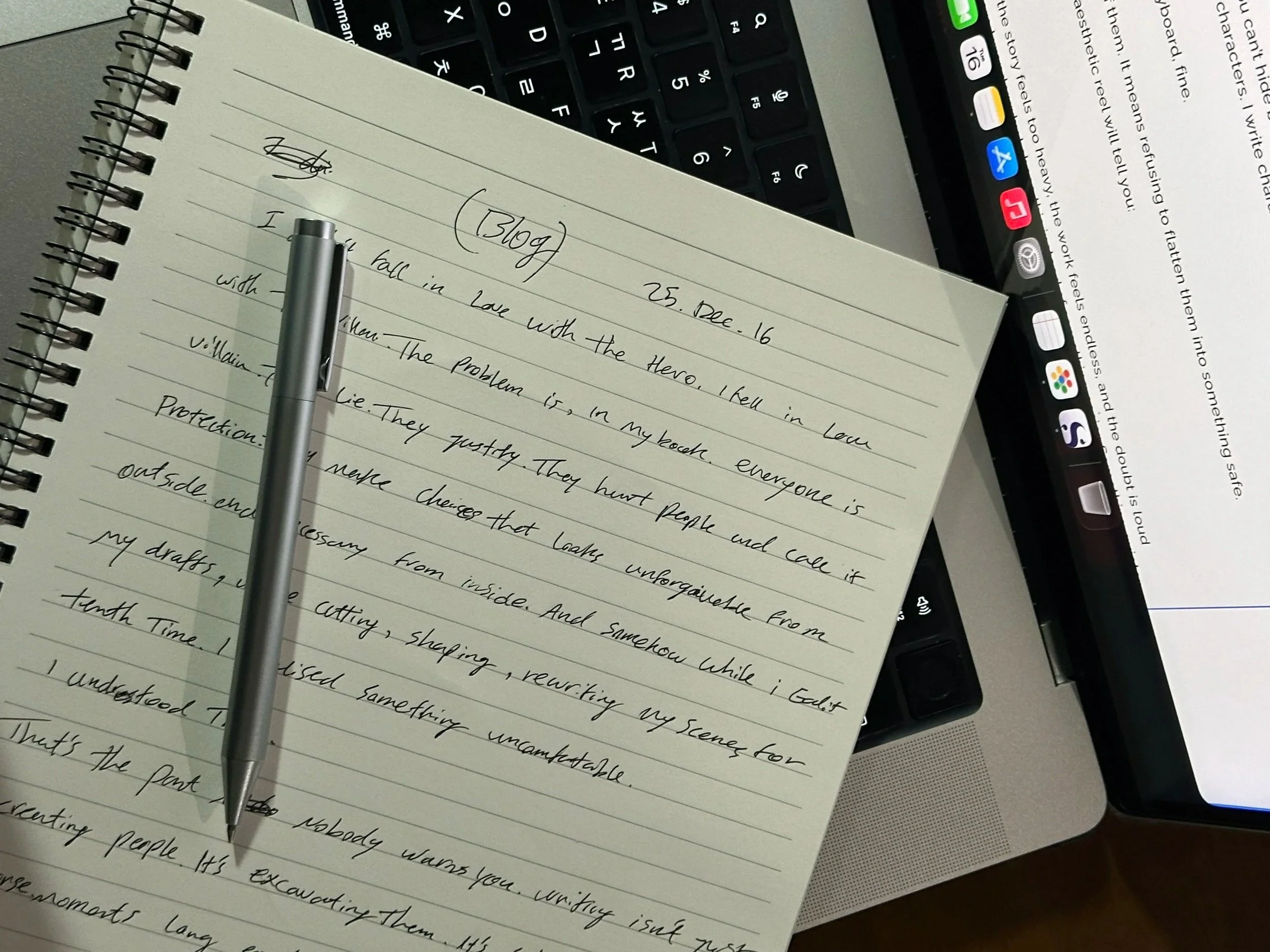
“Fix, then, this in your mind as the guiding principle of all right practical labor, and source of all healthy life energy — that your art is to be the praise of something that you love... your rank as a living creature is determined by the height and breadth of your love”
I didn’t fall in love with the hero.
I fell in love with the villain.
The problem is, in my book, everyone is a villain.
They lie. They justify. They hurt people and call it protection. They make choices that look unforgivable from the outside and necessary from the inside. And somehow, while editing, while cutting and reshaping and rewriting scenes for the tenth time, I realized something uncomfortable:
I understood them.
That’s the part nobody warns you about. Writing isn’t just inventing people. It’s excavating them. It’s sitting with their worst moments long enough that you start defending them. Loving them. Letting them breathe.
Editing makes it worse. Editing strips away the excuses. You can’t hide behind vibes anymore. Every sentence has to earn its place. Every action has to make sense. I don’t write clean characters. I write characters who survive. Who adapt. Who justify. Who cross lines and then dare you to understand why.
If that makes me a suspicious person to trust with a keyboard, fine.
I’ll take that.
Because loving the villain doesn’t mean approving of them. It means refusing to flatten them into something safe.
And safe stories are boring. But Here’s the truth no aesthetic reel will tell you:
Writing a book is exhausting.
Editing it is worse.
There are days I feel hollowed out. Days where the story feels too heavy, the work feels endless, and the doubt is loud enough to drown out everything else. Days where I wonder why I chose this instead of something easier. Something quieter. Something that doesn’t demand so much blood.
I don’t always feel inspired.
I don’t always feel confident.
Sometimes I feel helpless. Sometimes I feel stupid. Sometimes I feel like I’m dragging myself forward by the collar. And I do it anyway.
Not because it’s magical. Not because I’m special. But because quitting doesn’t actually make it stop hurting. It just makes the pain pointless.
This is the part where motivation usually shows up wrapped in soft words. I don’t believe in that version. Writing isn’t about waiting to feel ready. It’s about showing up tired. Showing up angry. Showing up unsure and doing the work badly until it’s less bad, then good, then real.
You don’t need discipline that looks pretty.
You need discipline that survives resentment.
If you’re exhausted, you’re not failing. You’re working.
If you’re scared, you’re not weak. You’re invested.
If you’re still here, still writing, still editing, still pushing words into place when you’d rather disappear, then you’re already doing the thing.
This is tough love, not encouragement:
No one is coming to save the story for you.
But you don’t need saving. You need persistence. And persistence is quiet. Ugly. Relentless.
Just like the best villains.
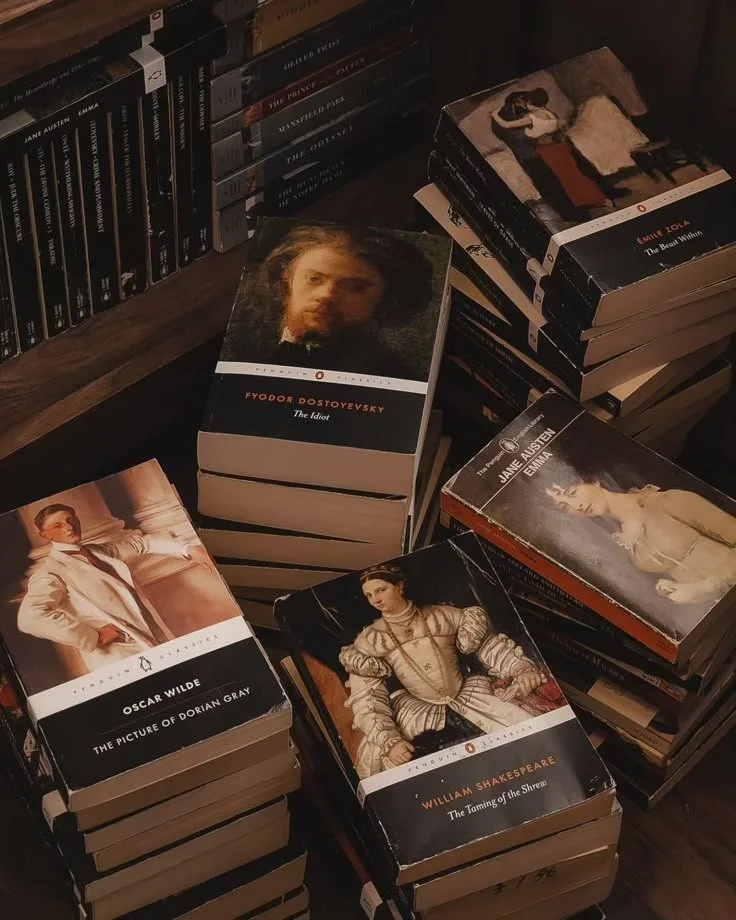
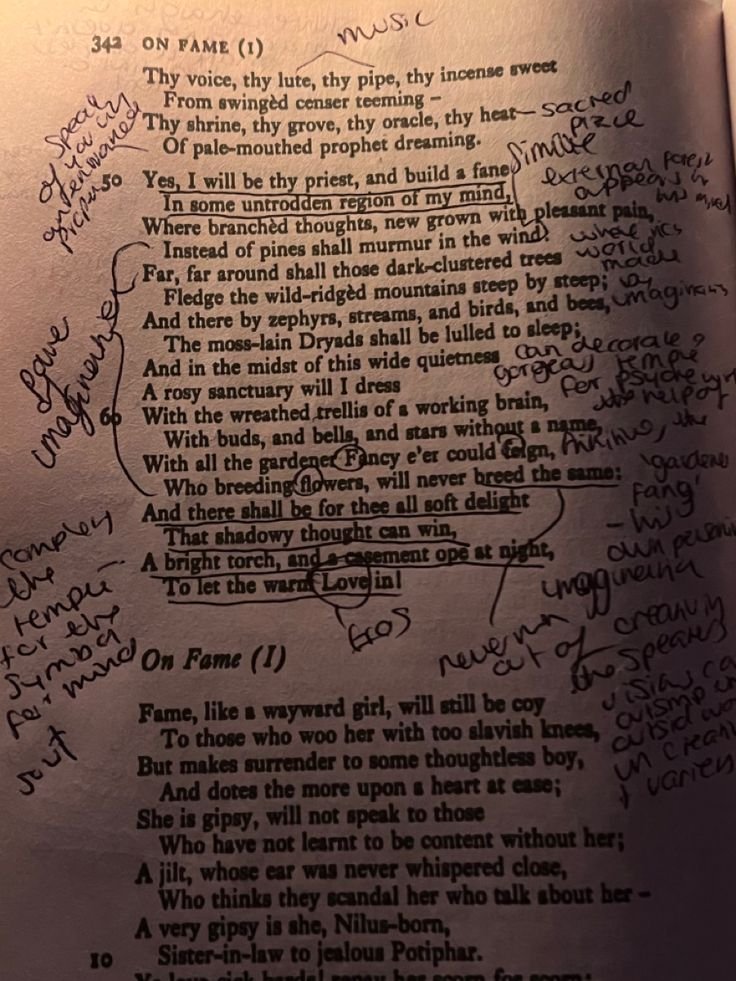
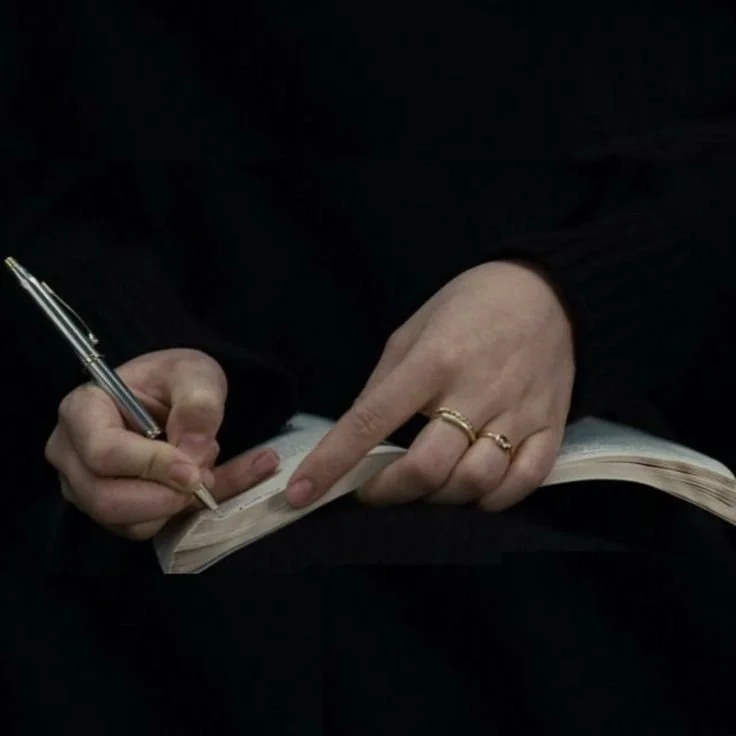
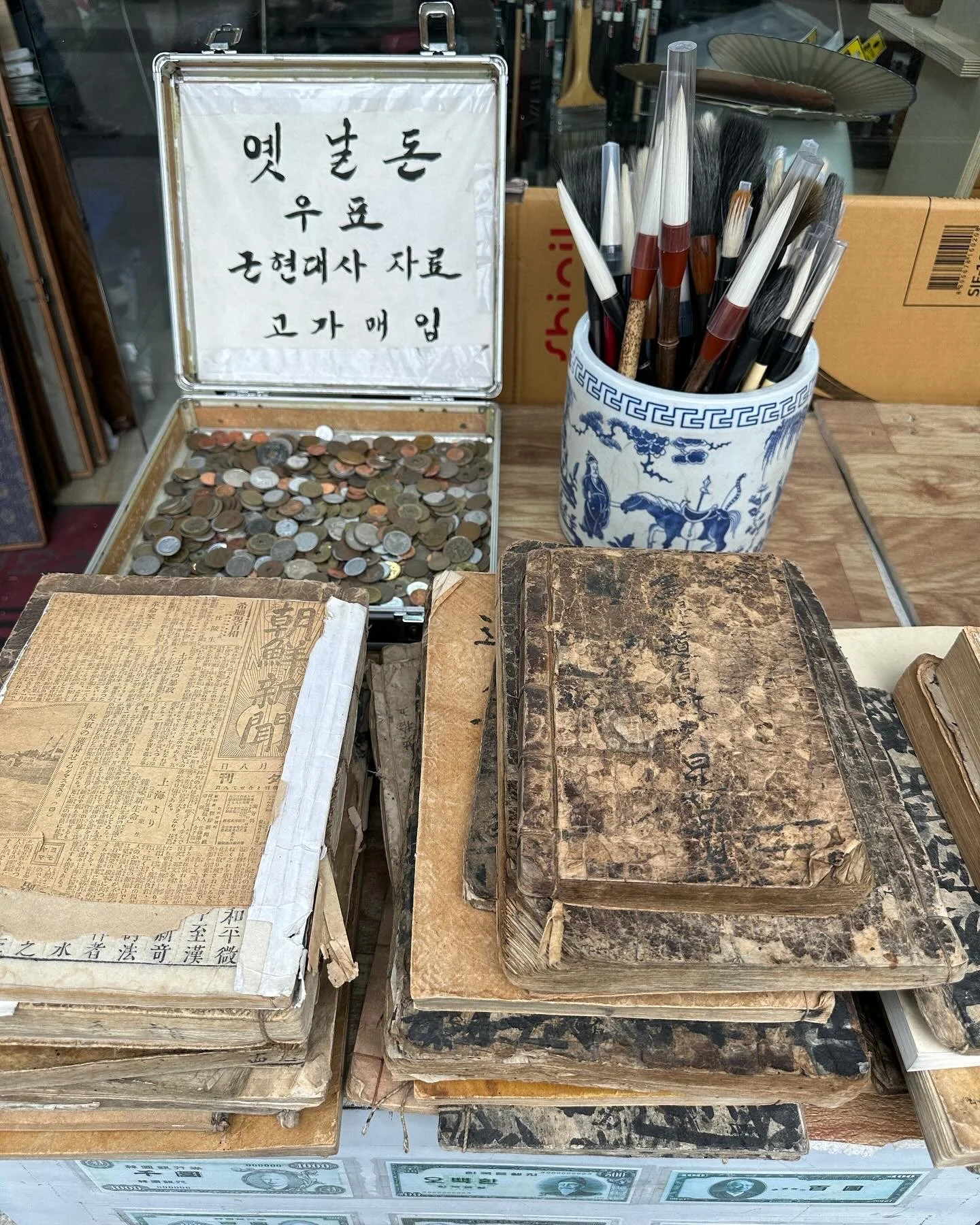
When writing feels unbearable, I don’t read productivity books. I don’t read advice. I read writers who remind me that darkness, obsession, and moral rot have always been part of literature.
Especially the Victorians. They were unwell in the most productive way.
Here are a few that stay with me:
– Jane Eyre by Charlotte Brontë
Not a romance. A survival story disguised as one. Power, repression, desire, and the cost of self-respect. Jane is quiet, but she is not soft.
– Wuthering Heights by Emily Brontë
Pure obsession. No heroes. Just damage passed hand to hand like a curse. If you write morally gray characters, this book is your ancestor.
– The Picture of Dorian Gray by Oscar Wilde
Vanity, decay, and the lie of eternal beauty. Wilde understood that corruption doesn’t always look ugly at first. Sometimes it’s charming. Sometimes it’s persuasive.
– Dracula by Bram Stoker
Control, fear, desire, and invasion. Read it not as a monster story, but as a study of power and obsession. It’s colder and smarter than people expect.
– Frankenstein by Mary Shelley ( this one is my fav)
A book about responsibility and abandonment, not creation. Everyone talks about the monster. The real horror is the creator.
These books don’t reassure you. They don’t coddle the reader. They trust you to sit with discomfort. That’s what I aim for when I write.
If you’re writing and it feels hard. If you’re editing and you hate everything you wrote last month,
congratulations. That means your taste is improving.
If you love characters you shouldn’t, question them instead of apologizing.
And if you’re exhausted but still opening the document, still shaping sentences, still refusing to let the story die quietly, then you already understand something important:
This isn’t about motivation.
It’s about endurance.
Stories aren’t written by the most inspired people.
They’re written by the ones who stay.
And staying is its own kind of defiance.
South-Korea
A Little Chaos and a Lot of Deadlines
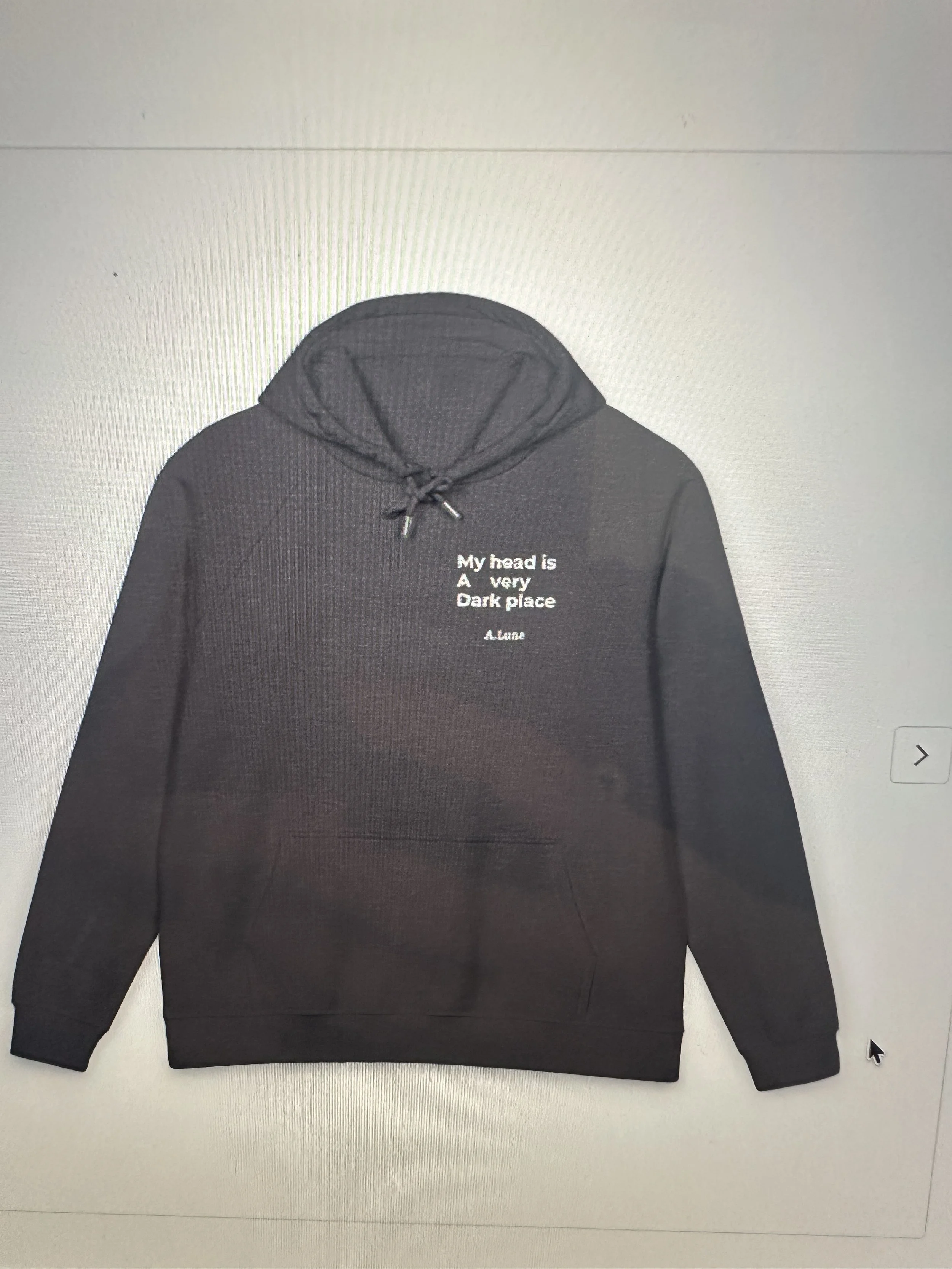
Life lately feels like someone handed me a checklist designed by a drunk god.
Move homes. Write a novel. Edit said novel. Raise children. Transfer said children to a new school. Run a website. Add a shop. Make merch. Post on TikTok. Post on Instagram. Pretend to be a functioning adult. Hydrate. Breathe. Guess what day it is and usually be wrong.
If I sound dramatic, it’s because I haven’t slept since the dinosaurs died.
Chaos hits different when you're choosing it on purpose. Every stupid task, taping a box, deleting a paragraph, packing school lunches at 11 p.m.—drags you into a version of yourself you didn’t sign up for, but here you are anyway. Not softer, not calmer. Just… sharper. A little tired. A little dangerous.
I’m moving houses soon.
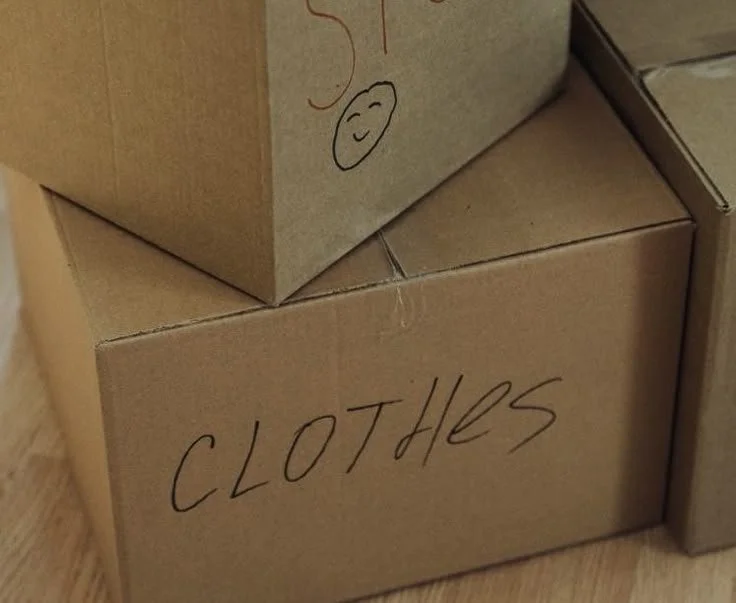
Not the “I’ll start packing tomorrow” kind. The “half my things are in boxes and the other half are staring at me like I’ve betrayed them” kind. Every room feels done with me. That’s fine. I’m done with it too.
And in the middle of this circus?
The book.
People ask how the writing is going. Which is cute. Writing a psychological thriller while juggling real life feels like starring in my own crime documentary. One minute I’m editing a kidnapping scene, the next I’m wiping peanut butter off a school uniform. One minute I’m writing morally questionable romance, the next I’m Googling “why is my vacuum making that noise.” There is no balance. There is only survival.
But somehow the story keeps growing.
I’m editing chapters with a laptop on top of laundry piles. Shooting TikToks with dark circles big enough to have their own zip code. Running on coffee and spite. And somehow? People are finding my work. The website traffic keeps rising. The shop is alive. New subscribers show up like tiny miracles that say, “Don’t quit yet.”
Meanwhile my kids are switching schools soon, which means paperwork, meetings, and pretending I remembered everything. All while editing trauma scenes because apparently my writing schedule doesn’t believe in boundaries.
The shop is a whole different beast. Checking samples, fixing prices, wrestling with shipping settings like I’m defusing a bomb. Some days it feels like managing a tiny, chaotic business built out of duct tape. Other days it feels brilliant.
TikTok, Instagram, the website—they all want attention like starving houseplants I didn’t ask for. But every time I show up, people read. People care. People wait for the next thing. Visibility still feels strange, like someone turned on a light I wasn’t ready for. But it’s warmer than I expected.
And somewhere in all this mess, I can feel myself shifting. Not in a poetic way. In a “wow, I’m actually doing all of this, what the hell” way. I’m rebuilding a life from scratch while writing a book about people doing the exact same thing but with more blood.
So yes..life is insane.
My home looks like a storage unit.
My book is a clingy toddler.
The website is growing faster than I can keep up.
The shop has opinions.
The kids are tired but excited.
And I am running purely on willpower.
But underneath all of it?
I’m becoming someone I actually like.
If you stick around, you might see what happens next.
And if you subscribe, you’ll get early chapters, deleted scenes, messy drafts, bonus content, and whatever else I accidentally overshare at 3 a.m.
But mostly, I’m moving into a new version of myself. And the truth is, when you grow, you don’t get to keep everything you used to carry. Sometimes the old habits stay behind. Sometimes the old version of you stays behind. Sometimes people do too. And it’s not cruel, it’s not dramatic..it’s just how life works. Everyone grows at their own pace, and you can’t drag anyone into a chapter they’re not ready for.
So I’m embracing my own pace. My own direction. My own expansion.
Before the Holidays Get Me First
A seasonal confession from the dark side of fiction.
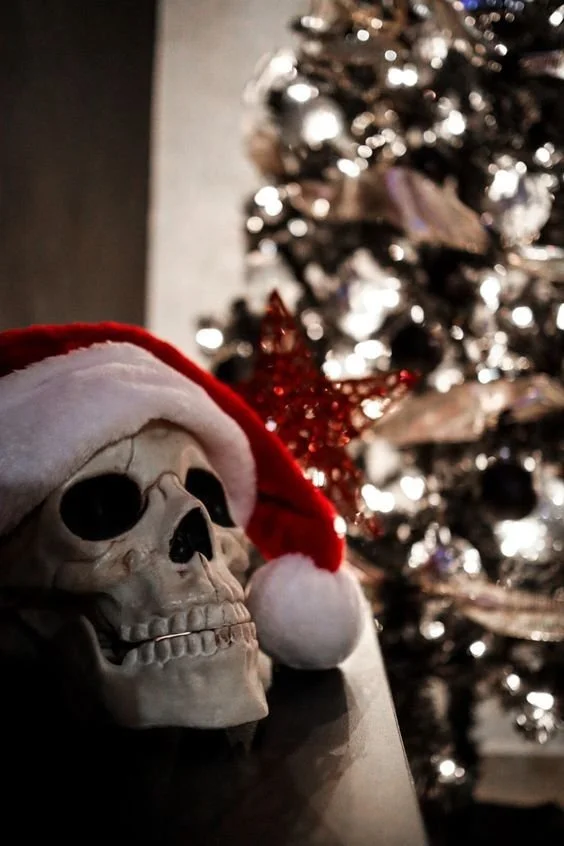
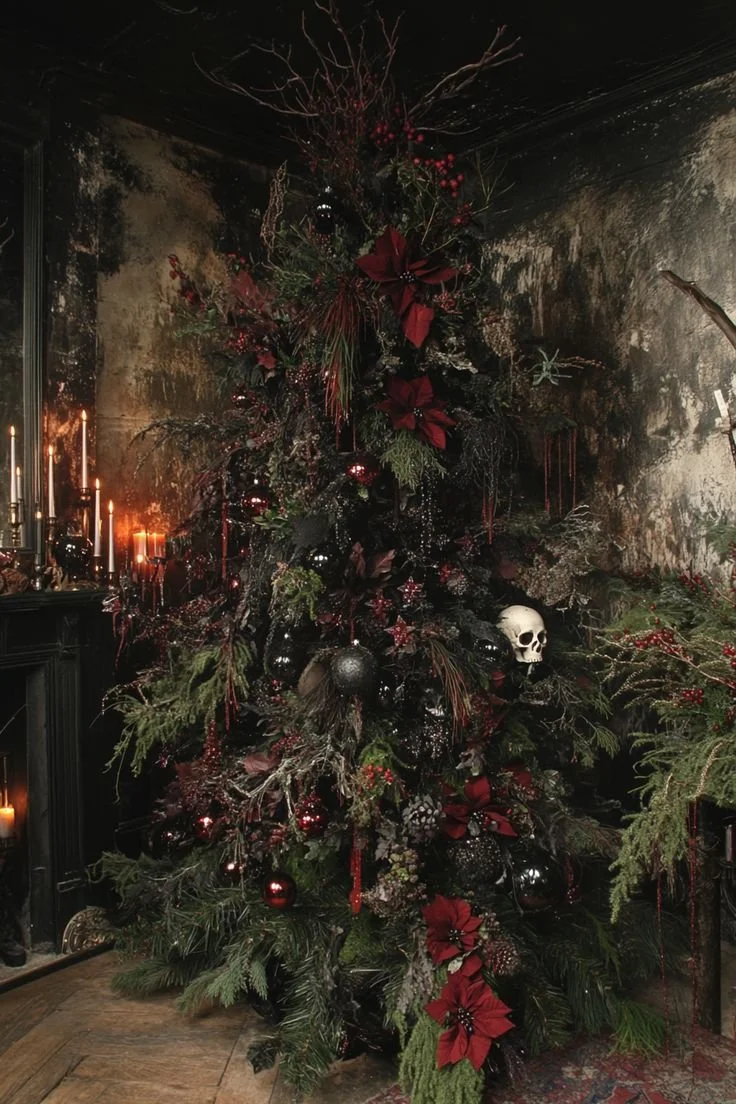

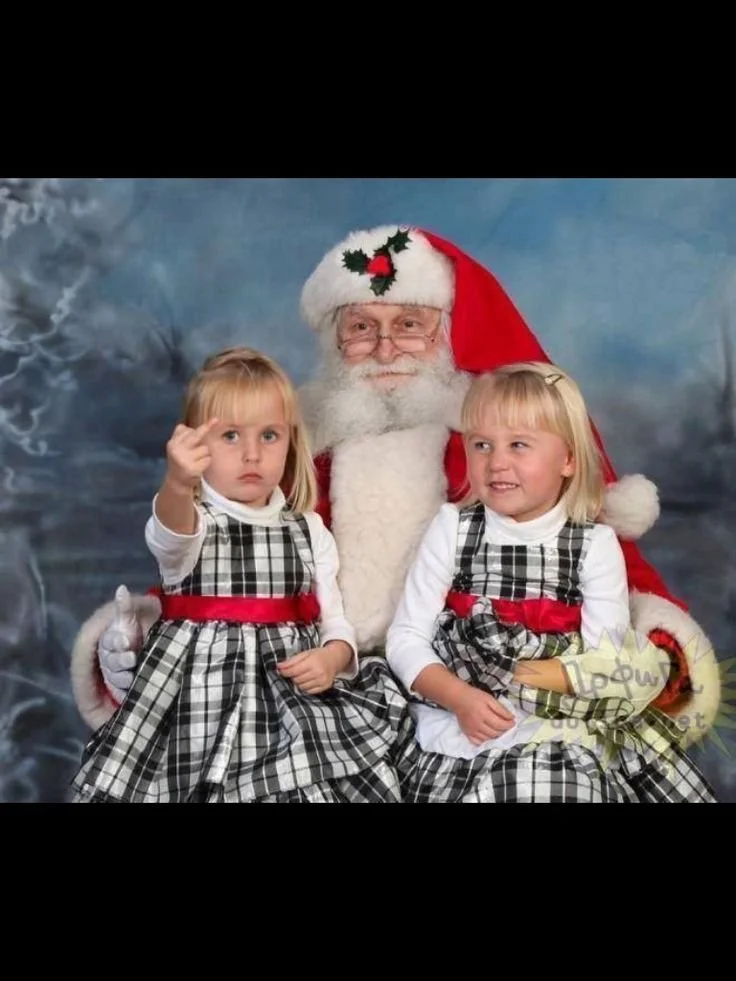
There’s a moment every December when the world tilts just slightly off its axis. You know the one — when the lights go up, the music gets cheerful in a threatening way, and suddenly everyone around you starts pretending they’re the main character in a wholesome movie.
Meanwhile, you’re over here holding your coffee like a hostage and whispering, “If one more person tells me to be festive…”
So I figured before the holidays consume me whole, I’d share something.
A story. A warning. A lesson. A little chaos wrapped neatly in a bow.
Because if the season is going to demand joy, then I reserve the right to give you truth instead.
The Warm Lie and the Cold Reality
Holiday cheer is sold like a product:
Tie a ribbon around your burnout, drink something cinnamon-flavored, pretend your life isn’t hanging together by three pixels and caffeine.
But the truth — the one no one posts on Instagram — is this:
Most of us are showing up exhausted, overwhelmed, and suspicious of anyone who looks too happy before 10am.
And honestly? That’s fine.
You don’t need to be glowing.
You don’t need to be grateful on command.
You don’t need to sparkle like some obedient ornament.
You just need to show up to your own story, even if you arrive late and slightly feral.
A Small Confession (Don’t Tell Anyone):
Building this world — this brand, this shop, this labyrinth of fiction — has been a little like wrestling with a dragon that sometimes helps but mostly judges me.
Every blog, every drop, every new piece of merch is me taking my chaos, plating it nicely, and whispering:
“Here. I made something.”
And people show up anyway.
People buy things.
People write to me.
People wait for the next thing.
It’s strange. Beautiful. A little addictive.
A Lesson I Didn’t Intend to Learn
Creativity doesn’t grow in perfect conditions.
It grows because you get tired of ignoring the thing clawing at your ribs.
It’s not about balance — forget balance —
it’s about choosing your art even when the world is loud, messy, and slightly on fire.
It’s about showing up when you’d rather disappear.
It’s about choosing the story you want to live, not the one you were handed.
It’s about refusing to shrink just because the season tells you to sparkle politely.
And Since You’re Here… A Promise
I’m building more.
More stories.
More puzzles.
More merch that feels like an inside joke between you and your dark side.
More reasons for you to come back even when everything else feels loud and shallow.
There will be surprises.
There will be moments you didn’t expect.
There will be drops you’ll want to get your hands on before everyone else.
And yes, if you’re paying attention — you’ll get first dibs.
Villains take care of their own.
So Before the Holidays Get Me First…
Let me say this:
If this year exhausted you, you’re not alone.
If joy feels heavy, that’s normal.
If you’re stumbling, you’re still moving.
And if all you manage this season is to show up — even crooked, even chaotic — that’s enough.
I’ll be right here, building worlds, whispering stories, plotting merch drops, drinking dangerous amounts of coffee, and pretending I’m not also one tinsel string away from losing my mind.
Happy almost-holiday, you beautiful disaster.
Try not to let the season swallow you whole.
Not without biting back.
Red Ribbons, White Lies
It all begins with an idea.
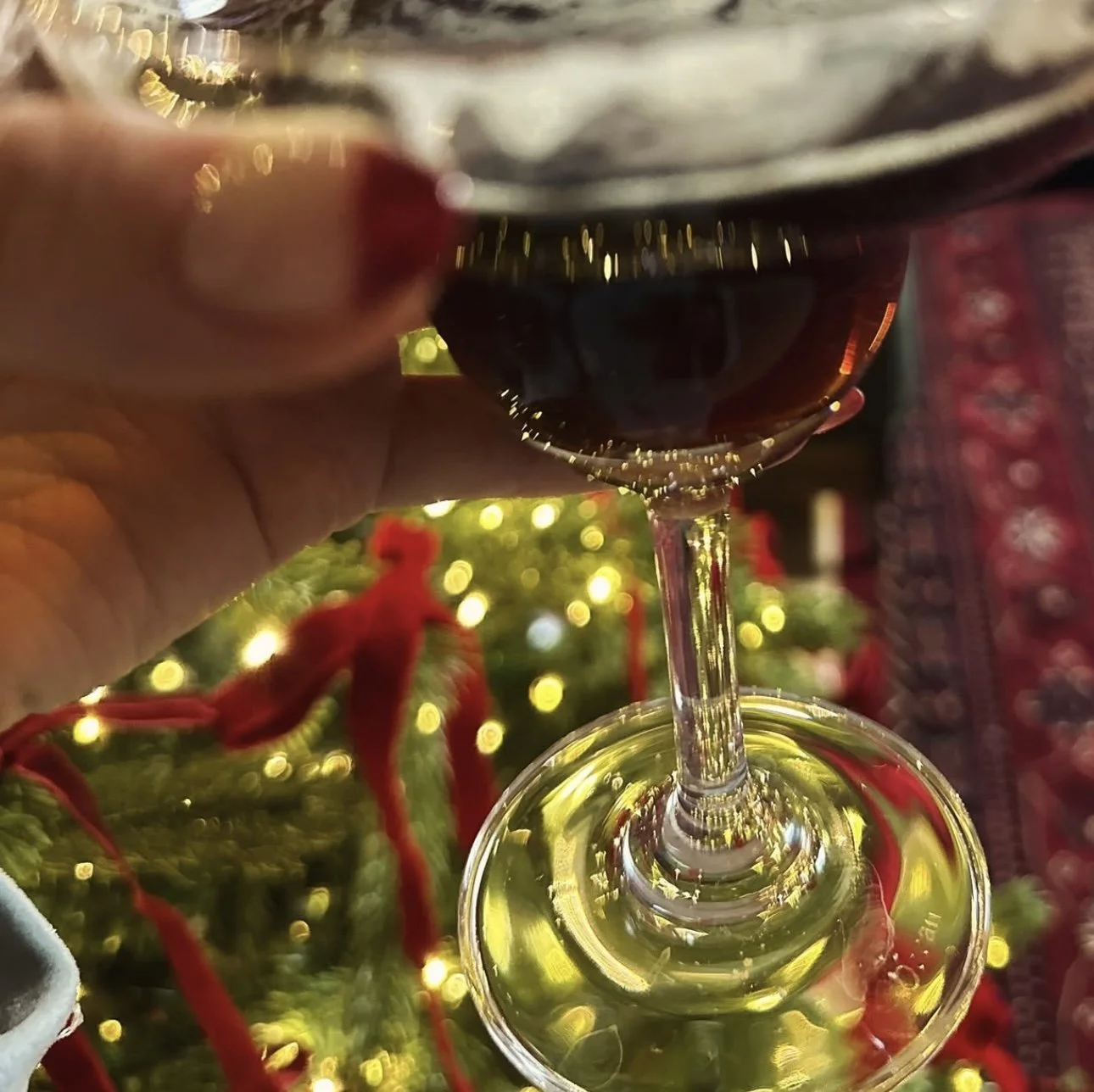
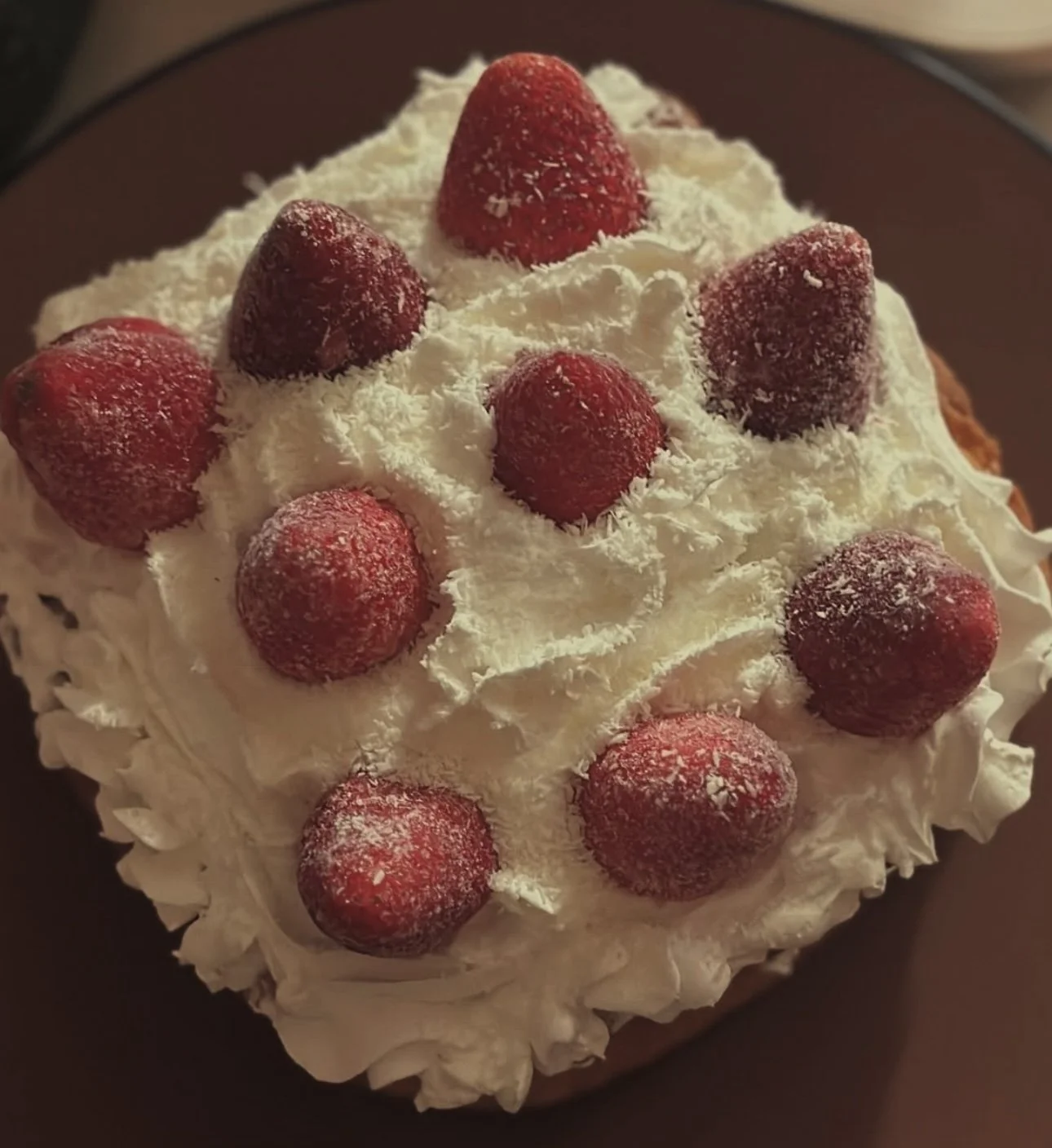
There’s something about the end of the year that feels like a trap disguised as a tradition. Red ribbons tied around candles, wine swirling like secrets in antique glasses, cakes puffed up with cream like they have something to prove. The illusion of cheer, so thick you could frost it.
But here's the thing about wrapping things in red:
It always looks like a gift.
Even when it’s a warning.
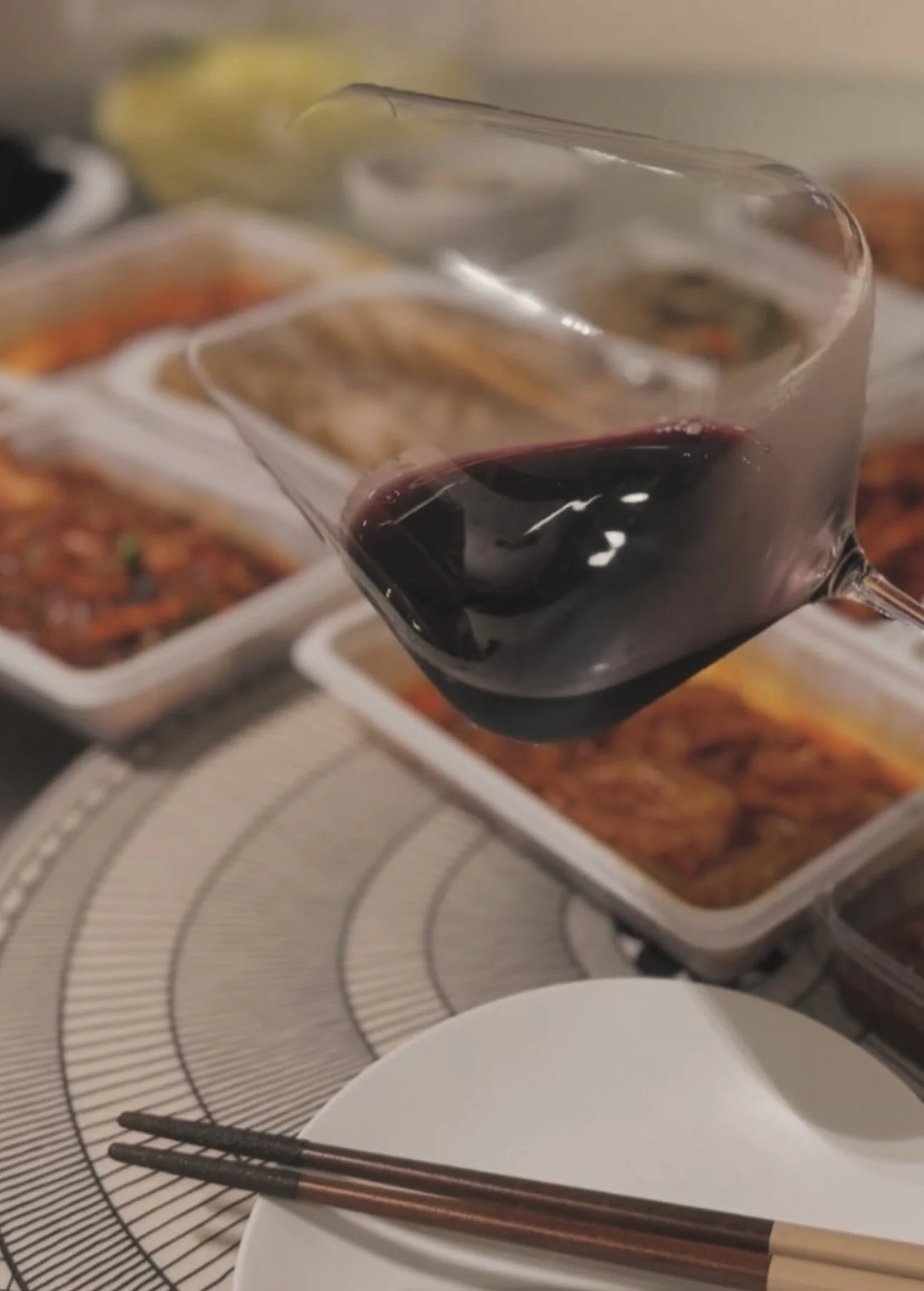
This year, I threw myself into it anyway. I set the table like I was expecting someone important. Lit the candle like I wasn’t the only one watching it burn. Poured a drink like I had something to celebrate. And for dessert? A cake so sugary it could silence a scream.
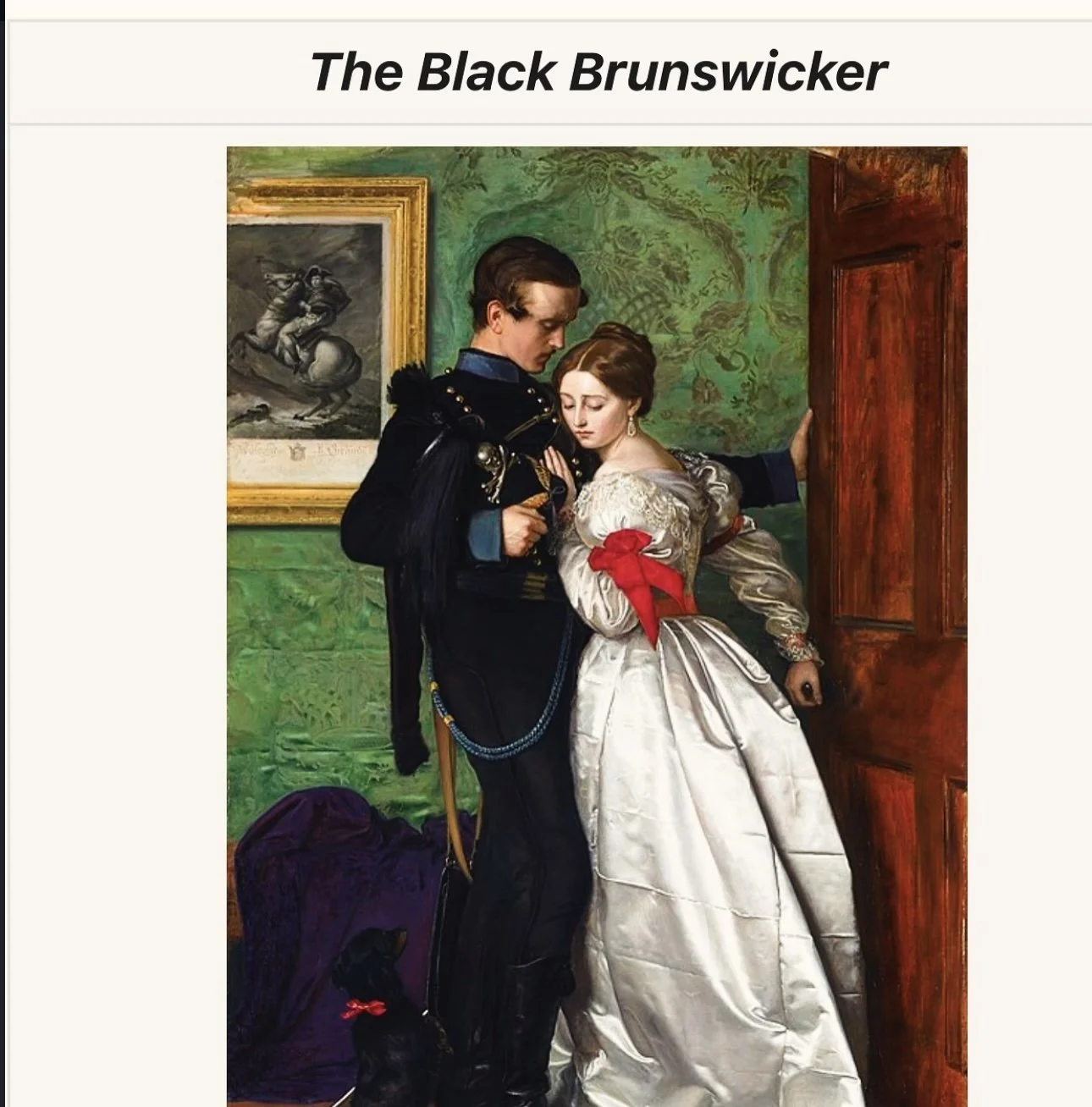
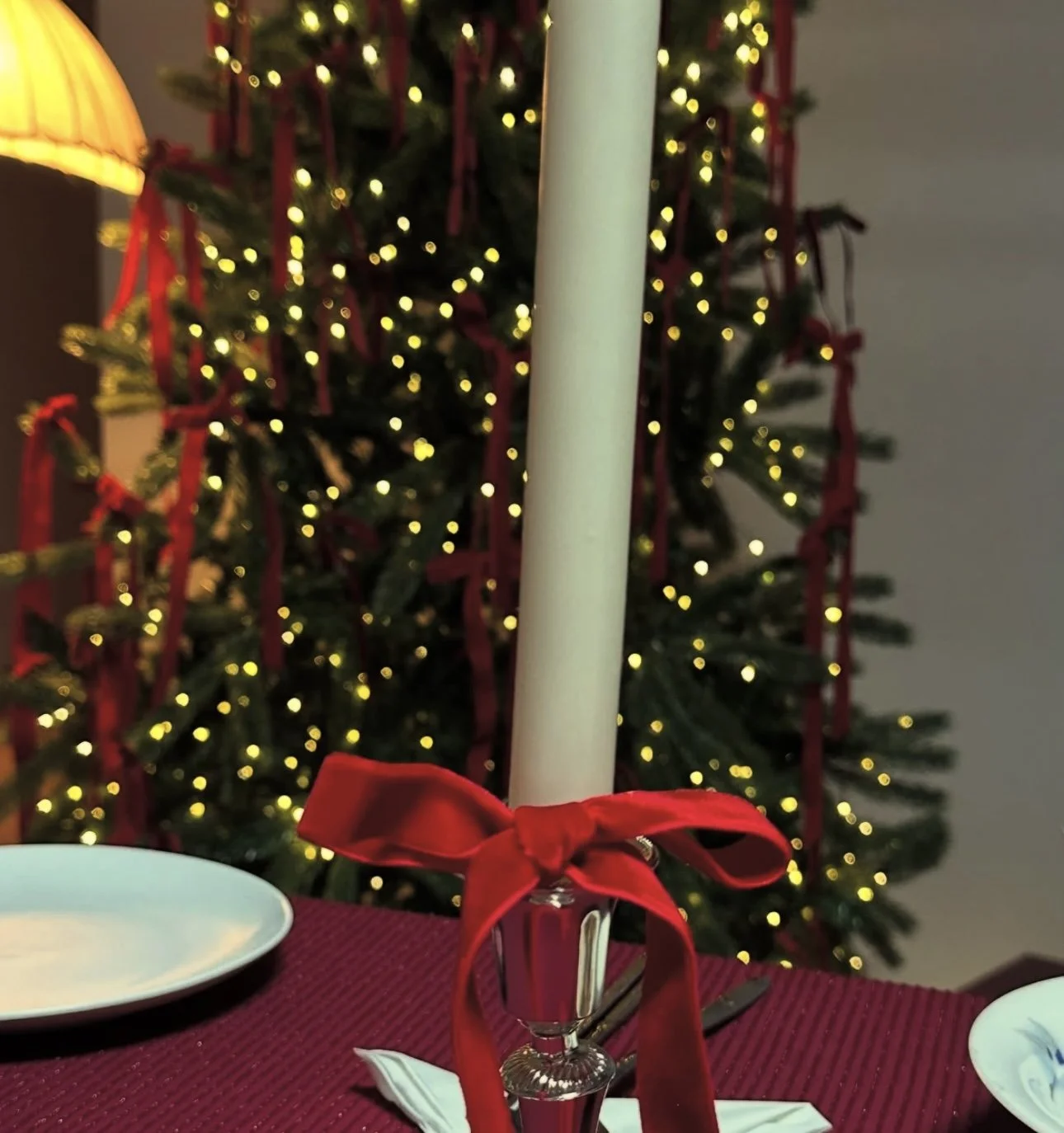
Maybe that’s what we do. Maybe that’s all we ever do.
Dress the dread in whipped cream and call it love.
Put on a red bow and pretend it’s not bleeding underneath.
I looked at that glass in my hand and realized—I wasn’t toasting the season. I was giving a eulogy. For another year that devoured me and asked for seconds. For the silence I swallowed instead of the words I wanted to scream. For the version of me that thought all this effort would somehow bloom into something more.
But nothing bloomed.
It just... looped.
Create. Finish. Upload. Repeat.
Clap. Clap. Clap. Echo.
Nothing.
Try again.
I don’t write because it’s easy. I write because it claws at me if I don’t. I make because if I stop, I have to admit it: I don’t know what happens next. And maybe that’s the real horror.
So here we are—me, you, the tree dressed in a thousand red strings, the ghost of the year we didn’t ask for, and the question no one dares answer:
What if this is it?
What if the good life doesn’t come wrapped in success, or clarity, or even peace…
What if it’s just this:
Showing up anyway.
Pouring the drink anyway.
Tying the bow anyway.
Making something beautiful even when no one’s watching.
Even when the knife doesn’t cut the cake, but your own expectations.
Happy holidays from your friendly neighborhood author with a frosting problem and a body count in her books.
We made it.
Kind of.